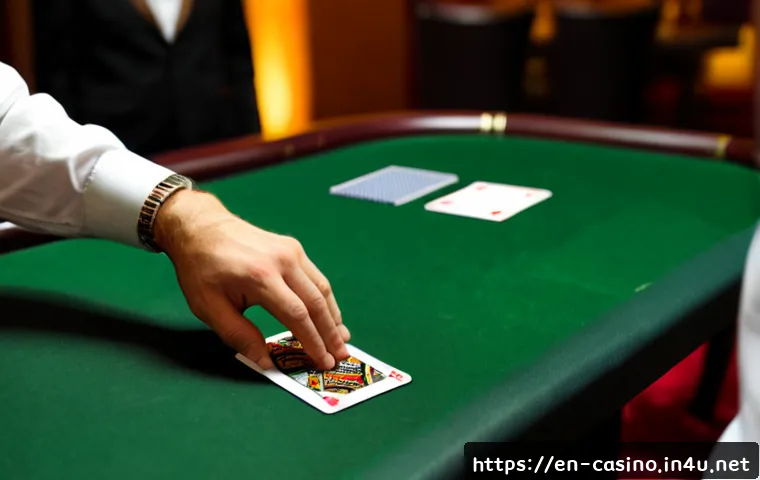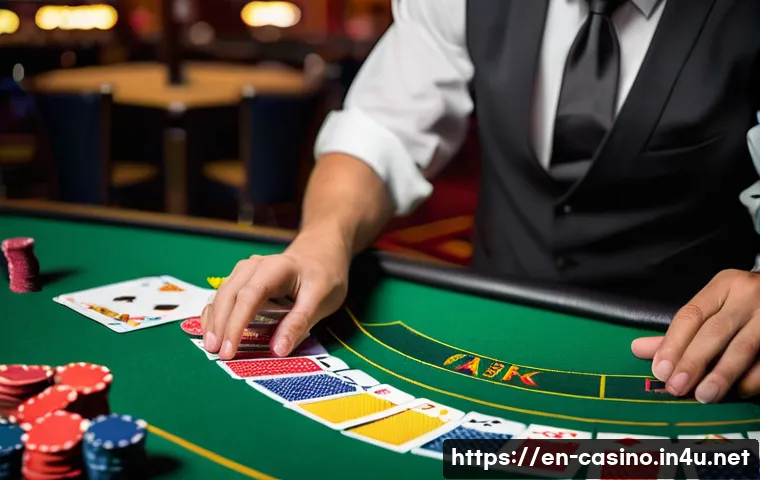
Strong casino dealer customer service is built on professionalism, accurate communication, and knowing when to involve a supervisor—not on scripted friendliness.

The best dealers keep instructions clear, treat every player neutrally, and use visible, consistent actions to reduce confusion at the table. For aspiring dealers, these skills matter alongside game knowledge because casinos generally rely on procedures that support secure, accurate operations and consistent guest treatment.
Dealer schools, customer-service certifications, and supervised practice can each be useful, but their value depends on the games covered, practice quality, and employer recognition.
Before paying for a course, compare the full training commitment rather than choosing on tuition alone. Licensing, background checks, permitted games, and hiring requirements can vary by jurisdiction and employer.
At a Glance
- Clear calls, visible hand movements, and consistent routines help reduce misunderstandings during table-game transactions.
- Good service means staying neutral through wins, losses, complaints, and player disagreements.
- Before enrolling in dealer training, compare course hours, game coverage, supervised practice, and employer recognition.
| Training path | Best for | What to compare before choosing |
|---|---|---|
| Self-practice | People building familiarity before applying or enrolling | Time commitment, access to accurate game procedures, and whether you can practice communication under pressure |
| Dealer school | Candidates seeking structured table-game instruction | Tuition to verify locally, practice hours, game coverage, instructor supervision, and recognition by local employers |
| Hospitality or customer-service training | Applicants who need stronger guest communication and conflict-handling skills | Active listening, de-escalation content, schedule flexibility, and how the credential fits casino-facing roles |
The Core of Strong Table Service: Clear, Fair, and Controlled
Strong table service is not about being overly casual or entertaining every guest. It is about keeping the game understandable, orderly, and fair for everyone at the table. A dealer should follow venue procedures and avoid improvising when a situation affects a bet, payout, dispute, or security concern.
Three rules to apply on every shift
First, communicate the same way each time. Clear verbal calls and visible movements make it easier for players and coworkers to follow transactions. Second, stay neutral. A win, loss, complaint, or disagreement should not change your tone or attention. Third, work within the procedure. If the answer is outside your authority, pause and escalate rather than guessing.
A quick opening routine for greeting and orienting players
A practical opening can be brief: acknowledge the player, make space for the game to begin, and give only the instruction needed at that moment. New players may need a simple explanation of table etiquette or where to place a wager. Keep the wording direct and respectful. Do not overwhelm a guest with rules that are not relevant yet.
Why neutrality protects both the guest experience and the game
Neutrality helps a dealer avoid the appearance of favoritism. Do not celebrate with one player, show frustration toward another, or let a regular guest bypass the same communication used for everyone else. Consistent treatment supports a calmer guest experience and helps keep attention on the game process.
Training Options and Value: What Is Worth Paying For?
A dealer training program may be worth paying for when it provides structured instruction, live or supervised practice, and clear information about what games are covered. A lower tuition figure alone does not show whether the course matches local employer expectations. Customer-service training can also add value when it teaches practical listening, respectful language, de-escalation, and supervisor escalation.
Self-study, dealer school, and customer-service courses compared
Self-study can help you learn terminology and rehearse a calm speaking style, but it may not show how you perform when players are waiting and questions overlap. Dealer school can provide organized game training. Hospitality or customer-service certification may sharpen the people-facing part of the job. The strongest fit depends on the gap you need to close: game procedure, table confidence, or guest communication.
Questions to ask about tuition, practice hours, game coverage, and placement claims
Ask what the tuition includes and whether there are separate costs for materials, travel, or licensing-related checks. Ask how much supervised practice is included, which games are taught, and how corrections are handled during practice. If a provider mentions placement support, ask what that support means in practice. Do not assume a school is accredited, employer-recognized, or connected to hiring unless you verify those details directly.
When supervised practice provides more value than a lower-priced course
Supervised practice can be particularly useful when you need feedback on verbal calls, hand visibility, pace, and handling interruptions. A course that gives you a chance to practice corrections and escalation may be more relevant than one focused only on memorizing game steps. Compare the actual training environment, not only the marketing description.
Communication Techniques That Keep the Table Moving
Efficient communication is short, specific, and timed to the action. The goal is not to say more. The goal is to make the next correct step easy for the guest to understand while maintaining game control.
Use concise game instructions without sounding dismissive
Use plain language and focus on the immediate action. For example, explain where a player should place a wager or when an action is permitted, then allow the game to continue. Avoid talking down to beginners or correcting them in a way that embarrasses them. A calm tone can be firm without sounding hostile.
Confirm bets, payouts, and requests with visible, consistent communication
Clear verbal calls and visible hand movements can reduce confusion around bets, payouts, and requests. Keep your actions consistent with the venue’s procedure. If a player asks a question that affects a transaction and you are uncertain, do not fill the silence with a guess. Pause and seek the appropriate supervisor guidance.
Helping first-time players without coaching their gambling decisions
You can explain basic table etiquette and procedural options without telling a guest what decision to make. Help them understand the mechanics of participation, not how to pursue a particular outcome. This distinction supports professional boundaries and keeps the dealer’s role focused on fair game operation.
Handling Complaints, Mistakes, and Tense Moments Professionally
Complaints are easier to manage when the dealer does not become part of the argument. Use a repeatable response pattern: listen, clarify, pause, escalate. This gives the guest a chance to be heard while protecting the integrity of the game.
A simple listen–clarify–pause–escalate response model
Listen without interrupting. Clarify the concern using a short, factual question if needed. Pause the discussion when the issue requires review rather than continuing to explain. Then escalate according to venue procedure. This approach is more reliable than trying to win an argument or solve a disputed outcome alone.
When to stop explaining and call a floor supervisor
Call a floor supervisor when a guest disputes a payout, challenges a game action, continues to argue after a clear explanation, or when the matter falls outside your authority. Individual casino policies for disputes, intoxicated guests, complimentary services, and security escalation can differ, so follow the local process rather than assuming one rule applies everywhere.

Common service mistakes: arguing, guessing, rushing, or showing favoritism
Arguing turns a service issue into a personal conflict. Guessing can create a larger operational problem. Rushing may cause unclear calls or missed communication. Favoritism can make other players question fairness. The safer standard is simple: remain factual, use the established procedure, and escalate when necessary.
Adapting Your Approach to Different Guest Situations
Professional service should adjust to what a guest needs without changing the standard of fairness. The language may become simpler, faster, or more formal, but the underlying process should remain consistent.
New players who need basic table etiquette
New players often benefit from brief instructions delivered one step at a time. Explain the immediate procedure and keep the tone welcoming. Avoid assuming they understand table terms. If a question goes beyond basic game operation, use the appropriate venue resource or supervisor process.
Regular players who expect efficient service
Regular players may prefer a faster pace and less explanation. Efficiency should never become informality that weakens procedure. Use the same visible communication and neutral treatment that you would use with any other guest.
Frustrated, impaired, or disruptive guests: boundaries and escalation
Do not mirror a guest’s frustration. Keep your voice even, set boundaries through procedure, and involve a supervisor when needed. Policies around impaired or disruptive guests vary by venue, so a dealer should not invent a response or try to manage a serious situation without support.
Choosing a Training Path: Decision Criteria and Comparison Summary
Choose training based on the role you want and the evidence a provider gives you—not on broad promises. Recognized training, live practice, policy instruction, and realistic career support are more useful decision points than a catchy course title.
Prioritize recognized training, live practice, and clear policy instruction
Look for a dealer school or customer-service course that explains what participants will practice and how their work will be assessed. Ask whether the course includes table communication, conflict handling, and appropriate escalation. Recognition varies by employer and jurisdiction, so confirm relevance with the casino or hiring contact you are considering.
Compare total cost beyond tuition, including travel, materials, and licensing checks
Training-course tuition can differ substantially between providers. Before committing, identify possible expenses beyond the advertised course fee, such as travel, materials, and any jurisdiction- or employer-specific licensing or background-check requirements. Exact requirements and costs should be verified locally.
Final checklist before applying to a school or casino role
Confirm the games covered, the amount of supervised practice, the class schedule, the total cost, and what placement support actually includes. Also check local licensing and hiring requirements directly with the relevant employer or jurisdiction. A course can improve readiness, but it does not automatically establish employer recognition or guarantee a job.
Selection Criteria and Comparison Summary
Before enrolling, compare course hours, game coverage, supervised table practice, total costs beyond tuition, and employer recognition. Check whether the program teaches customer-service skills such as active listening and de-escalation, not only game mechanics. Review the schedule carefully if you need to balance training with other commitments. Compare course hours, game coverage, and employer recognition before enrolling; official program pages and local casino hiring information are the right places to confirm current conditions.
In Closing
Casino dealer customer service is a practical skill set: speak clearly, act consistently, remain neutral, and know when to escalate. Those habits support both guest confidence and controlled table operations. Training can be helpful when it includes meaningful practice and matches the expectations of the market where you plan to work. Verify local requirements before spending money or applying.
Useful Information to Keep in Mind
1. Clear calls and visible movements can reduce misunderstandings.
2. Respectful language and active listening are useful even when a complaint cannot be resolved at the table.
3. A supervisor escalation is a professional step, not a failure to provide service.
4. Licensing, permitted games, and employer training standards can vary by location.
Important Notes
This article provides general career and customer-service guidance. It does not establish the licensing rules, hiring standards, tuition costs, placement quality, or operating procedures for any specific casino, city, or training provider. Confirm those details with the relevant employer, school, and local regulatory authority before making a decision.
Frequently Asked Questions
Q1. Do I need dealer school before applying for a casino dealer job?
A1. Not necessarily. Requirements can vary by jurisdiction and employer. Dealer school may help you build structured game knowledge and table practice, but you should verify the hiring expectations of the casino or role you are targeting.
Q2. How much should I expect to pay for casino dealer training in the United States?
A2. Tuition can differ substantially between providers, and additional costs may apply for materials, travel, or local licensing-related checks. Compare the full cost, training hours, games covered, and supervised practice before enrolling.
Q3. What should a dealer do when a customer disputes a payout or becomes upset?
A3. Stay calm, listen, clarify the concern briefly, and follow venue procedure. If the issue requires review or continues to escalate, stop trying to resolve it alone and call a floor supervisor.