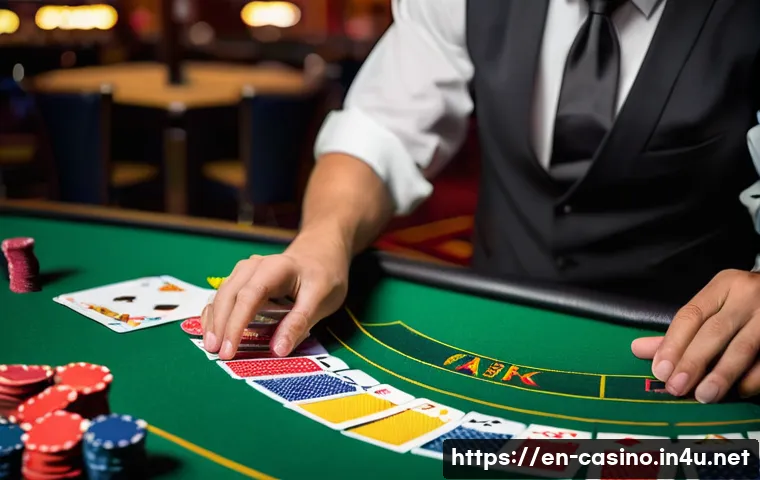
Running a blackjack table requires a consistent dealer sequence, clear house rules, and documented controls that match the venue’s approved procedures.

Formal dealer training and written table procedures are worth the investment when an operator needs reliable payouts, confident guest communication, and stronger dispute prevention.
The exact workflow can vary by jurisdiction, license conditions, and internal controls, so staff should not rely on informal habits. Before a table opens, the team should confirm limits, payout rules, card procedures, and available player options.
Operators can choose between in-house coaching, external dealer schools, or experienced-hire staffing based on supervision needs and operating priorities.
Only licensed or legally authorized operators should offer real-money blackjack.
At a Glance
- Consistency matters: Dealers should follow an approved sequence for wagers, cards, player decisions, payouts, and table reset.
- Rules must be visible: Limits, payout rules, dealer soft-17 treatment, surrender, and side bets should be established before play begins.
- Controls protect the game: Clear chip handling, card security, surveillance, floor supervision, and documented procedures help prevent errors and disputes.
| Staffing or Training Approach | Best Fit | Key Strength | Review Before Choosing |
|---|---|---|---|
| In-house dealer training | Venues with established internal controls and supervisors | Training can align closely with the venue’s own blackjack procedures | Instructor capacity, supervised practice, compliance coverage, and staffing time |
| External dealer school | New entrants or operators seeking structured foundational instruction | Focused learning in rules, chip math, guest communication, and table conduct | Whether the curriculum matches local requirements and venue-specific procedures |
| Experienced-hire staffing | Operators needing table-game coverage with less initial coaching | Existing dealing experience may support faster onboarding | Verification of rule knowledge, payout accuracy, and adaptation to internal controls |
The Core Blackjack Table Workflow
A professional blackjack table should operate through a repeatable workflow rather than individual preference. The dealer’s role is to keep each action visible, orderly, and consistent with approved table-game procedures. The floor supervisor and surveillance process provide additional oversight where required by the venue.
Open the table: verify layout, chips, cards, limits, and approved rules
Before play, verify that the table layout is clean and usable, the chip rack is organized, and the cards and card-handling equipment are ready under the venue’s approved process. Confirm the displayed table limits, the blackjack payout rule, dealer soft-17 treatment, insurance handling, and any available side bets. A dealer should know what is approved at that specific table before accepting the first wager.
Accept wagers and confirm betting is closed
Players place chips in the designated betting areas, and the dealer confirms that wagering is complete before cards are dealt. The exact verbal call and hand movement should follow internal procedure. This clear transition reduces confusion about late wagers and establishes a visible starting point for the round.
Deal cards in the venue’s approved order
Cards should be dealt using the venue’s required order and card-security method. Whether the table uses manual dealing, a shoe, or a continuous shuffler, dealers should keep cards controlled and clearly separated from chips and discarded cards. The goal is not simply speed; it is an auditable process that guests, supervisors, and surveillance can follow.
Manage player decisions and dealer hand resolution
Players may have approved options such as hitting, standing, splitting, doubling down, or surrendering. The dealer should recognize valid hand signals and make consistent verbal calls when required. After player decisions are completed, the dealer resolves the dealer hand according to the posted and approved rules, including the venue’s treatment of soft 17.
Pay winning bets, collect losing bets, and reset the layout
Resolve wagers in the venue’s defined order. Verify chip values before every payout, place chips where they are visible, and collect losing wagers carefully. Once all hands are settled, gather cards into the discard tray, restore the layout, and prepare for the next round. If an outcome is unclear, stop and involve a floor supervisor rather than improvising.
Blackjack Rules That Must Be Clear Before Play Starts
Blackjack is easier to operate when the rules are unambiguous before the first card is dealt. Rules can differ by jurisdiction, casino license conditions, and internal controls, so the table must use the venue-approved version of the game.
Table limits, minimum wagers, and maximum wagers
Players should be able to identify the table’s minimum and maximum wager conditions before joining. Limits affect the pace of play, staffing expectations, and level of supervision. Dealers should not make informal exceptions to posted or approved limits.
Blackjack payout rules and insurance handling
The blackjack payout rule and insurance process should be clearly established in advance. Dealers need training on how the venue treats those wagers and how to verify the related chip movements. Where a player asks for clarification, explain the approved table rule plainly without changing it.
Dealer hits or stands on soft 17
A dealer’s treatment of soft 17 is a table rule, not a personal decision. It should be consistent across the relevant table or game format and understood by the dealer before the shift begins. When training new staff, supervisors should test this rule as part of hand-resolution practice.
Splits, double downs, surrender, and side-bet availability
Not every blackjack format offers the same player decisions. Confirm whether splits, double downs, surrender, and side bets are available under the approved rules. Dealers should be able to identify the allowed action, manage the associated chips, and ask for supervisor support if a request does not fit the documented procedure.
Training, Equipment, and Operating-Cost Considerations
Dealer training programs, casino table-game equipment, and staffing services should be evaluated together. A fast dealer without reliable payout accuracy can create avoidable exposure, while advanced equipment does not replace clear procedures and capable supervision.
In-house coaching versus external dealer training
In-house coaching can focus directly on a venue’s layouts, internal controls, communication style, and approved procedures. External dealer training may provide a structured foundation in game rules, chip math, guest interaction, security awareness, and responsible-gaming procedures. The practical question is whether staff receive enough supervised practice to perform accurately in the venue’s actual operating environment.
Manual shuffling, shoe-based dealing, and continuous shuffler considerations
Manual dealing, shoe-based dealing, and continuous shufflers each require procedures that staff can execute consistently. Compare options by security, maintenance, pace, usability, and compatibility with approved controls. Equipment selection should support visible card handling and dependable table operation rather than create a process that staff cannot comfortably manage.
Table layouts, chip racks, discard trays, and card-security tools
Professional table-game equipment should help organize the game. A readable table layout supports correct wager placement, an orderly chip rack supports payout verification, and a discard tray keeps used cards separate from active cards. When comparing suppliers, review whether equipment fits the venue’s procedure, operating environment, and maintenance expectations.
Evaluating staffing coverage, training time, and compliance needs
Staffing plans should account for dealer coverage, floor supervision, onboarding, and continued procedure review. A training decision should not be based only on initial speed. Consider rule knowledge, chip accuracy, communication under pressure, security awareness, and the ability to follow responsible-gaming procedures.
Practical Procedures That Reduce Errors and Disputes
Most table disputes become harder to resolve when actions are rushed, hidden, or handled inconsistently. The strongest safeguard is a visible routine supported by floor supervision and documented operating procedures.

Use visible hand movements and consistent verbal calls
Clear movements and approved verbal calls help players understand what is happening at the table. They also create a more reviewable sequence for supervisors and surveillance. Dealers should avoid vague gestures, rushed chip movements, or unexplained changes in the game flow.
Verify chip values before every payout
Chip math is a core dealer-training priority. Before paying a hand, identify the wager, confirm the applicable approved rule, and verify the chip values. This habit supports game integrity and reduces the chance that a simple payout error becomes a larger guest-service issue.
Keep player cards, dealer cards, and discarded cards separated
Physical separation is a simple but important control. Active player cards, dealer cards, chips, and discarded cards should remain in their appropriate areas. Dealers should follow the approved card-security procedure for the table rather than using shortcuts during busy periods.
Escalate unclear rulings to a floor supervisor
A dealer does not need to solve every uncertainty alone. If a wager, player decision, card condition, or payout is unclear, pause the action and involve the floor supervisor. Escalation is a control, not a failure; it protects the guest, the dealer, and the venue.
Handle player concerns professionally without changing approved rules
Listen carefully, restate the relevant approved rule, and request supervisor support when needed. Avoid arguments and do not alter a rule to resolve a complaint quickly. Professional communication can lower tension while keeping the game within its authorized operating standard.
Adjusting Operations for Different Table Conditions
The approved rules should remain stable, but the dealer’s communication and supervision needs can change with table conditions. Good operations balance pace, clarity, security, and guest experience.
Managing a quiet table with new players
At a quiet table, dealers can use concise explanations of available actions and clearly identify where wagers belong. New players benefit from calm, consistent guidance, but instruction should stay within approved table rules. Never assume that a guest understands a particular blackjack format without checking.
Maintaining pace during peak periods
During busy periods, visible routines become even more important. Keep chip movements organized, confirm decisions efficiently, and avoid skipping verification steps. If workload or confusion affects game control, floor supervision can help restore an orderly pace.
Handling high-limit play under stricter supervision
High-limit play may involve stricter oversight under a venue’s internal controls. Dealers should follow the assigned process precisely and rely on supervisors for exceptions, questions, or unusual situations. The correct level of review depends on the specific venue and applicable requirements.
Supporting responsible gaming and addressing disruptive behavior
Dealer training commonly includes responsible-gaming procedures and guest communication. Staff should follow the venue’s documented process when a guest needs support or when behavior disrupts the table. A professional response protects the playing environment without turning the dealer into an informal rule-maker.
Selection Criteria and Comparison Summary
Before selecting a dealer school, staffing provider, table-game equipment supplier, or internal training plan, compare training scope, compliance support, equipment needs, supervised practice, maintenance expectations, and total operating cost. Confirm that training covers payout accuracy, approved hand signals, chip handling, security awareness, and professional guest communication. Review whether equipment supports the venue’s card-security and table-control procedures. Prioritize written operating procedures over informal dealer habits, and confirm local licensing and internal-control requirements before implementation. For formal training, table equipment, or staffing services, review the provider’s official course scope, support terms, and operating conditions before making a decision.
In Closing
A well-run blackjack table is built on repeatable actions, not personal improvisation. Dealers need clear rules, visible card and chip handling, and enough supervised practice to resolve hands accurately. Operators should match training, equipment, and staffing choices to their approved controls and local requirements. When a situation is unclear, documented procedure and floor supervision should guide the next step.
Useful Information to Keep in Mind
1. Written rules should be available before play begins.
2. Chip math and payout verification are central training skills.
3. Surveillance and floor supervision are part of normal table oversight.
4. Responsible-gaming procedures belong in dealer training.
5. Card-handling methods and game features can vary by venue.
Important Notes
This guide describes general operational priorities only. Exact licensing requirements, dealer qualifications, table limits, payout rules, side bets, shuffling methods, and legal availability of a blackjack format must be confirmed for the relevant jurisdiction and venue. Only licensed or legally authorized operators should provide real-money casino games.
Frequently Asked Questions
Q1. Do blackjack dealers need formal training before working at a casino?
A1. Dealer training commonly covers game rules, chip math, guest communication, security awareness, and responsible-gaming procedures. Whether formal training, certification, or a particular qualification is required depends on the jurisdiction, venue, and applicable internal controls.
Q2. What equipment is needed to operate a professional blackjack table?
A2. Common operational tools include a table layout, chip rack, cards, discard tray, and approved card-handling equipment. The exact equipment and security tools should match the venue’s documented procedures, maintenance needs, and internal controls.
Q3. Is it better to hire experienced dealers or train new staff in-house?
A3. The better option depends on staffing coverage, supervision capacity, rule-specific training needs, and operating priorities. Compare training scope, compliance support, equipment needs, supervised practice, and total operating cost before choosing an approach.