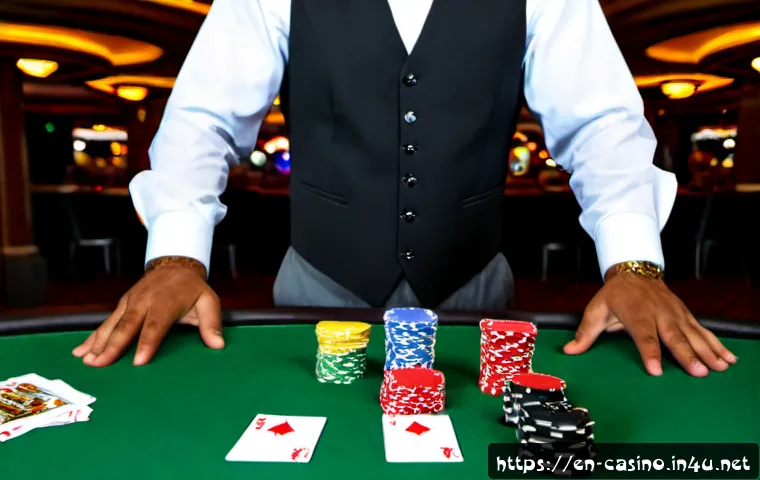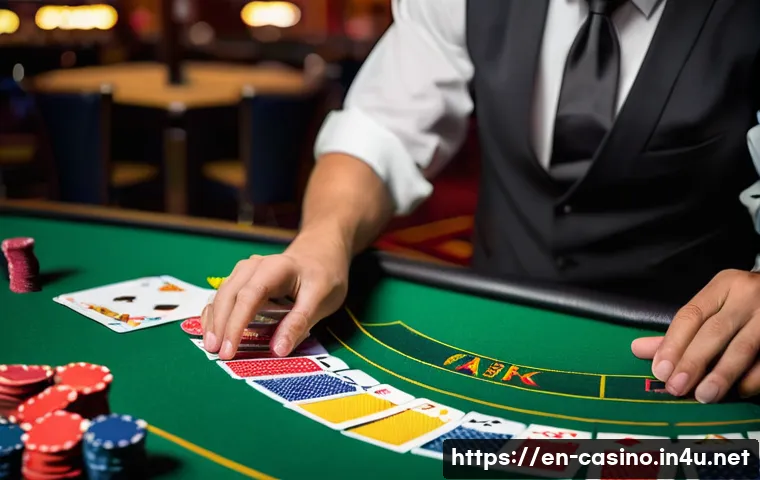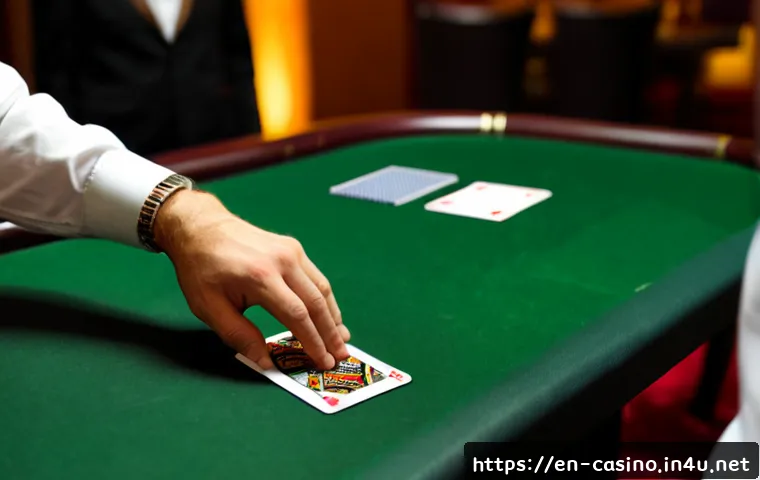
Running a baccarat table well depends more on accurate procedures, clear announcements, and disciplined escalation than on speed alone. A dealer must follow the approved sequence for wagers, cards, outcomes, and settlements while keeping every action visible and professional.
For people considering a casino operations career, structured dealer training can be useful when employers value recognized practice, live-table routines, or compliance-focused instruction.
The right path depends on local hiring requirements, the table games you want to deal, and whether a casino provides its own in-house training. Never assume that a course, certificate, or online program is accepted by a particular employer without checking first.
At a Glance
- Run the round in order: accept wagers, clearly close betting, deal under approved rules, announce the result, and settle visible wagers.
- Accuracy comes before pace: chip control, card security, and correct payout sequencing protect both players and the operation.
- Do not improvise: commission handling, side bets, shoe procedures, and disputes must follow property rules and supervisor direction.
| Preparation Path | Cost Considerations | Hiring Relevance | Best Fit | Main Limitation |
|---|---|---|---|---|
| In-house casino training | Terms vary by employer and program. | Often directly aligned with that property’s procedures. | Applicants targeting a specific casino or operator. | May not transfer automatically to another employer. |
| Private dealer school | Compare tuition, practice access, and included materials. | Depends on local employer recognition. | People seeking structured table-game practice before applying. | Completion does not guarantee hiring or licensing eligibility. |
| Self-directed practice | Usually focused on learning materials and practice equipment. | Useful as preparation, but may carry less formal weight. | People building familiarity with game flow and terminology. | Does not replace supervised procedures or employer approval. |
What Running a Baccarat Table Requires
The dealer’s priorities: accuracy, pace, visibility, and player communication
A baccarat dealer manages a repeatable operating sequence. The standard flow is to accept wagers, close betting, deal cards, apply the approved draw rules, announce the result, and settle winning wagers. Every part of that sequence should be performed with clear hands, visible chips, and understandable verbal calls.
Speed matters only after the dealer can maintain accuracy. A fast round that creates an unclear payout, missed wager, or card-security concern is not efficient. New dealers should focus on consistent mechanics first, then develop a steady pace through supervised practice.
What changes between casino house rules and what should never be improvised
Baccarat commonly uses Player, Banker, and Tie betting areas, but layouts, side bets, commission practices, and settlement details can vary by property and jurisdiction. Banker outcomes commonly involve commission in many variants, yet the rate and calculation method must be confirmed through the house rules.
Some procedures are always property-specific: shuffle routines, shoe changes, cut-card placement, burn-card handling, side-bet payouts, and exact dealing mechanics. A dealer should not fill gaps with memory from another casino, a training video, or an outside course. Use the current approved procedure for the active table.
Three-line quick summary for new dealers and trainees
Protect the game: keep cards, chips, and hand movements visible.
Protect the round: use a consistent call-and-action sequence from wagers through settlement.
Protect yourself: stop and escalate discrepancies instead of trying to solve them alone.
Training Options and the Value of Paid Preparation
In-house casino training vs. dealer school vs. self-directed practice
In-house casino training can be practical because it may teach the exact table layout, internal controls, service standards, and surveillance-facing procedures used by that employer. For an applicant focused on one property, this can be more relevant than generic instruction.
A private dealer school may offer more scheduled practice and exposure to table-game terminology. It can be a reasonable option for someone who needs structured repetition before applying, especially when a local employer recognizes the program. A hospitality-focused gaming program may also help candidates understand player interaction and professional conduct, but recognition still needs to be checked.
Self-directed practice can build familiarity with baccarat flow, approved-looking hand discipline, and basic dealing rhythm. It is best used as a supplement. It cannot confirm whether your procedure meets a casino’s internal controls or regulated gaming career requirements.
Comparison table: cost considerations, practice time, hiring relevance, and limitations
Before paying for professional dealer training, compare more than the advertised course format. Ask how much supervised table time is included, whether the curriculum covers baccarat specifically, and whether the program explains that each employer may use different operating procedures.
Questions to ask before paying for a dealer training program
- Is the course recognized or considered by the employers I plan to approach?
- How much live practice time is available for baccarat procedures?
- Does the program cover chip handling, game protection, player communication, and discrepancy reporting?
- Are local licensing, background-check, or legal wagering requirements separate from course completion?
- Does the course clearly distinguish general game knowledge from property-specific rules?
For training providers, compare course recognition, practice hours, and local hiring requirements before making a payment decision.
A Practical Baccarat Round From Open to Settlement
Opening the table and confirming the working setup
Begin with the approved table setup. Confirm that the layout, chips, cards, shoe, and related table-game equipment are in the required working condition under the property’s procedure. Shoe changes, cut-card placement, shuffling, and burn-card practices are not universal; follow the approved operating procedure rather than a general template.
If equipment appears damaged, unclear, or unsuitable for normal play, do not quietly work around it. Use the designated reporting or supervisor process.
Accepting wagers and closing betting clearly
Allow wagers only during the authorized betting period. Watch the betting areas and use a clear closing call so players understand when the round has moved forward. Avoid vague timing or rushed movements that make it difficult to see whether a wager was placed before the close.
A professional dealer keeps the table readable. This means monitoring placement without touching or correcting a player’s wager in an unapproved manner. If a wager timing issue or placement concern appears, pause when necessary and involve the floor supervisor.
Dealing, revealing cards, and applying approved draw rules
Deal and reveal cards using the casino’s approved baccarat procedure. Apply the draw rules exactly as trained. The dealer’s job is not to debate the rule at the table or make an informal exception for a regular player. Consistency supports game integrity and helps surveillance review the round if needed.
Maintain card security throughout the process. Keep cards within the expected handling area and make each action visible. If the shoe, cards, or dealing sequence creates a concern, stop according to procedure and notify the appropriate supervisor.
Announcing outcomes and settling wagers in the approved order
Announce the outcome clearly: Player, Banker, or Tie, using the property’s standard language. Then settle wagers in the prescribed order. A reliable settlement sequence reduces the chance of paying the wrong area, missing a winning wager, or mixing commission handling with unrelated chip movements.
For Banker results, follow the house rule for any commission or alternative calculation method. Do not rely on what another venue used. Side-bet rules and payout handling also require direct confirmation from the current table’s procedures.
Controls That Protect the Game, Players, and Dealer
Chip handling, payout visibility, and avoiding settlement errors
Chip handling should be deliberate and visible. Separate losing wagers from winning payouts according to the approved sequence, and avoid movements that make the table difficult to audit. A player should be able to understand what is being collected or paid without needing to guess.
One useful habit is to mentally complete one settlement action before starting the next. This supports payout accuracy and reduces the risk of skipping a wager when several players are involved.
Card security, shoe procedures, and table layout awareness

Card security is part of basic casino operations, not an optional extra. Dealers are expected to follow internal controls for card handling, shoe procedures, surveillance visibility, and discrepancy reporting. The layout also matters: know where Player, Banker, Tie, and any approved side-bet areas are positioned before dealing begins.
Table-game equipment selection and setup should match the employer’s approved standards. A training environment may use different equipment from a live casino floor, so trainees should be ready to learn the property’s actual layout and workflow.
When to pause the game and call a floor supervisor
A dealer should not independently resolve suspected cheating, payout disputes, equipment issues, or irregular card-handling events. These normally require a floor supervisor or designated security process. Calling for support is not a failure; it is part of proper escalation discipline.
Use calm, neutral communication. Avoid accusing a player, promising a correction, or arguing about the outcome. Preserve the table state as required, explain that a supervisor will review the matter, and follow the property’s process.
Common Operating Mistakes and How to Prevent Them
Rushing the close of betting or unclear verbal calls
An unclear close can lead to confusion about late wagers. Use the approved call consistently and give the table a visible, orderly transition into dealing. Do not let pressure for speed erase the boundary between accepting bets and dealing cards.
Misreading house-specific commission or side-bet rules
Commission handling and side bets are common areas where procedures differ. Prevent errors by learning the current house rules before taking the table and asking for clarification during training rather than guessing in live play.
Attempting to solve disputes without escalation
A dealer may want to fix a problem quickly, especially when a player is upset. But suspected irregularities and payout disagreements require the appropriate review path. The safer professional action is to pause, preserve visibility, and call the floor supervisor.
Letting speed reduce professionalism or player-facing clarity
Fast hands are valuable only when they remain controlled. Players and supervisors should be able to follow the dealer’s announcements and chip movements. Good casino hospitality includes staying composed, respectful, and understandable even during a busy shift.
Choosing Training and Career Preparation
Decision checklist: local regulations, employer recognition, live practice, and total cost
Choose training based on the job you actually want. Check local legal wagering requirements, employer hiring policies, recognition of the course, available baccarat practice, shift expectations, and the full cost of preparation. Do not assume a certificate alone satisfies licensing, background-check, or employer requirements.
Who benefits most from structured dealer training
Structured training may suit applicants who need repeated practice with table flow, chip control, professional announcements, and compliance-aware routines. It may also help hospitality professionals who want to move into regulated gaming roles and need a clearer understanding of table-game operations.
Comparing opportunities by schedule, table-game mix, and advancement pathways
Compare roles by more than the availability of baccarat. Consider the table-game mix, required shifts, internal training options, supervisor support, and possible advancement pathways. A role that includes strong operating guidance may be more useful than one that promises speed without clear standards.
Selection Criteria and Comparison Summary
Before choosing a dealer school, casino training route, or self-study plan, check these points:
- Employer recognition: confirm whether target casinos consider the training relevant.
- Baccarat practice: look for meaningful practice with game flow, payouts, and verbal calls.
- Compliance focus: make sure card security, chip handling, and escalation are included.
- Local requirements: verify licensing, legal eligibility, and background-check expectations separately.
- Total commitment: compare tuition or fees, schedule, practice access, and job-search timing.
For official requirements and course conditions, review the relevant employer, training provider, or local gaming authority information directly.
Final Thoughts
A capable baccarat dealer creates a controlled, easy-to-follow round from the first wager to the final settlement. The strongest habit is not rushing; it is repeating the approved process with visible hands, clear calls, and accurate chip work. House rules will differ, but disciplined game protection and timely escalation remain central to professional table operations. Training is most useful when it matches the expectations of the employers and jurisdictions you plan to work with.
Useful Information to Keep in Mind
1. Baccarat layouts and side bets can vary by property.
2. Banker commission procedures are not identical everywhere.
3. Responsible gaming processes and legal wagering rules depend on jurisdiction and employer policy.
4. A supervisor is the appropriate resource for disputes, suspected cheating, and equipment concerns.
Important Considerations
This guide describes a general operational framework, not the exact procedure for any specific casino. Dealing mechanics, commission methods, side-bet payouts, shoe procedures, licensing requirements, and training recognition must be verified with the relevant employer, regulator, or approved training provider. Never substitute general knowledge for a casino’s current internal controls.
Frequently Asked Questions
Q1. Do I need paid dealer school training before applying for a baccarat dealer job?
A1. Not always. Some casinos provide in-house training, while others may value outside dealer education or prior table-game experience. Check the hiring requirements of the employers you are targeting, and confirm whether a specific course is recognized before paying for it.
Q2. What is the most important skill for a new baccarat dealer: speed, math, or communication?
A2. Accuracy and controlled procedure come first. Clear communication, correct settlement handling, and visible card and chip movements support a professional game. Speed becomes valuable after those fundamentals are reliable.
Q3. How should a dealer handle a payout disagreement or suspected table irregularity?
A3. Do not try to resolve it independently. Follow the casino’s approved process, preserve the table state as required, communicate calmly, and call a floor supervisor or designated security resource for review.