
Working as a casino dealer isn’t just about dealing cards or spinning the roulette wheel—it requires a solid grasp of certain math concepts to keep the game fair and the action flowing smoothly.
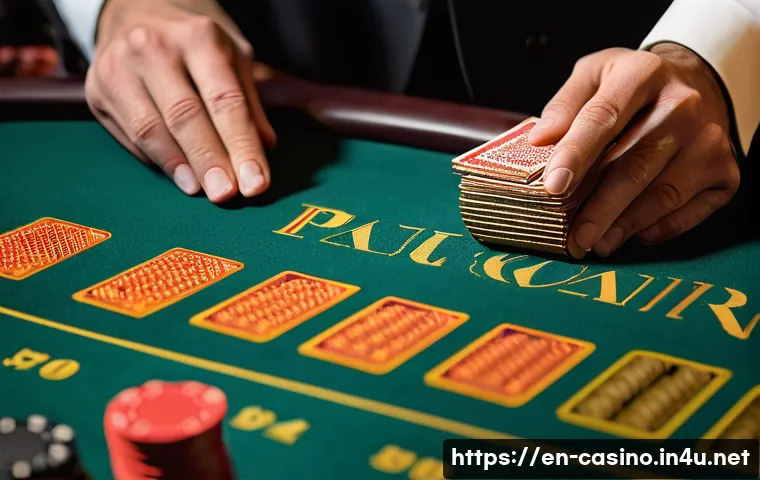
Understanding probabilities, odds, and quick calculations can make all the difference in managing bets and ensuring players have a seamless experience.
Whether you’re calculating payouts or assessing risk, these math skills are the backbone of the job. If you’ve ever wondered what specific math knowledge casino dealers rely on daily, you’re in the right place.
Let’s dive deeper and uncover exactly what math every dealer should know!
Mastering Quick Mental Math for the Casino Floor
Speed and Accuracy in Bet Calculations
When you’re on the casino floor, every second counts. Players expect their bets to be calculated and paid out immediately, which means dealers need to be lightning-fast with mental math.
From adding up chips to figuring out total bets on the table, speed without sacrificing accuracy is crucial. In my experience, the pressure can be intense during busy hours, but staying calm and practicing simple addition and multiplication drills has made a huge difference.
It’s not just about knowing the math—it’s about performing it under pressure. Dealers who hesitate or make errors risk slowing the game down and frustrating players.
Breaking Down Complex Payouts Instantly
Some games, like blackjack or poker variations, come with complicated payout structures—think side bets, insurance, or progressive jackpots. Knowing how to quickly break these down into simple fractions or percentages is essential.
For example, understanding that a 3:2 blackjack payout means for every $2 bet, a player wins $3 helps dealers avoid mistakes and maintain trust. I’ve found that memorizing key payout ratios and practicing calculating them on the fly makes this process second nature.
This skill not only speeds up the game but also reinforces your professional credibility in the eyes of players and supervisors alike.
Staying Sharp with Chip Counting and Exchange
Chip management is a subtle but vital part of a dealer’s math toolkit. You need to count chips correctly when exchanging for cash or larger denominations, often under the watchful eyes of players.
Miscounts can lead to disputes or financial loss. I remember early in my career, I once miscounted a stack during a rush, and it threw off my entire table’s balance for a few minutes—definitely a stressful moment.
Since then, I’ve developed a mental checklist and use grouping strategies (like counting chips in fives or tens) to keep everything accurate and efficient.
Understanding Probabilities to Manage the Game
Calculating Odds to Predict Outcomes
Every card dealt or spin of the wheel carries a probability that impacts the game’s flow. Dealers don’t just shuffle and deal—they have to keep track of which cards have been played and estimate the likelihood of certain outcomes.
For example, in blackjack, knowing the probability of drawing a card that busts the dealer helps in managing the pace and advising pit bosses if needed.
While you don’t have to be a statistician, a solid grasp of basic probability helps keep the game fair and engaging. Personally, I’ve noticed that understanding odds also helps me anticipate player behavior and keeps the energy dynamic.
Balancing House Edge with Player Expectations
The house always has an edge, but it’s the dealer’s job to balance that with keeping players happy. This means understanding the math behind the house advantage and being able to explain it clearly if questions arise.
For instance, in roulette, the presence of zero and double zero pockets gives the house its edge, which affects payouts and odds. When players see a dealer who understands and respects these numbers, it builds trust and enhances the overall gaming experience.
I’ve found that being transparent and knowledgeable often diffuses tension during losing streaks.
Using Probability to Spot Unusual Patterns
Experienced dealers sometimes notice when the cards or spins aren’t behaving as statistically expected—whether due to dealer error, card counting, or even cheating attempts.
A good dealer uses probability knowledge to spot these anomalies early. For example, if the same number hits too frequently on the roulette wheel, it might warrant a closer look.
This proactive approach not only protects the casino but also preserves game integrity. I’ve personally been involved in situations where quick math and observation helped catch irregularities before they escalated, which felt both rewarding and crucial.
Practical Math Skills for Payout and Risk Management
Quick Conversion Between Chip Values and Cash
Players often switch between chips and cash, and dealers must convert values rapidly and accurately. This isn’t always straightforward—chips come in multiple denominations, and bets can vary widely.
For example, a $500 bet might be made up of five $100 chips or a mix of $50 and $100 chips. Being comfortable with these conversions ensures smooth transactions and prevents errors.
From my perspective, it’s like juggling mental math and customer service simultaneously, which can be challenging but rewarding when done well.
Assessing Risk with Side Bets and Insurance
Side bets and insurance options add layers of complexity, requiring dealers to quickly assess potential risks and payouts. They need to understand the odds behind these bets and calculate how much the casino stands to gain or lose.
This involves multiplying probabilities by payout ratios in real time. For instance, insurance in blackjack pays 2:1 but only wins if the dealer has blackjack, a relatively rare event.
Grasping these nuances helps dealers manage the game effectively and communicate confidently with players. I’ve noticed that players respect dealers who can explain these options clearly, which often boosts tips.
Keeping the Game Flowing Smoothly Under Pressure
The math isn’t just about numbers—it’s about timing. Dealers have to keep the game moving at a pace that’s both exciting and fair. This means performing calculations quickly enough to avoid long delays but carefully enough to prevent mistakes.
I’ve learned over time that the best way to handle this is by combining solid math skills with a calm mindset. When the floor is packed, and the noise is loud, staying mentally sharp and confident in your math can be the difference between a smooth game and a chaotic one.
Essential Math Concepts in Card Counting and Strategy
Basic Counting Techniques for Blackjack
While card counting is more often associated with players, dealers benefit from understanding these techniques as well. Knowing how players might track cards helps dealers anticipate betting patterns and maintain fairness.
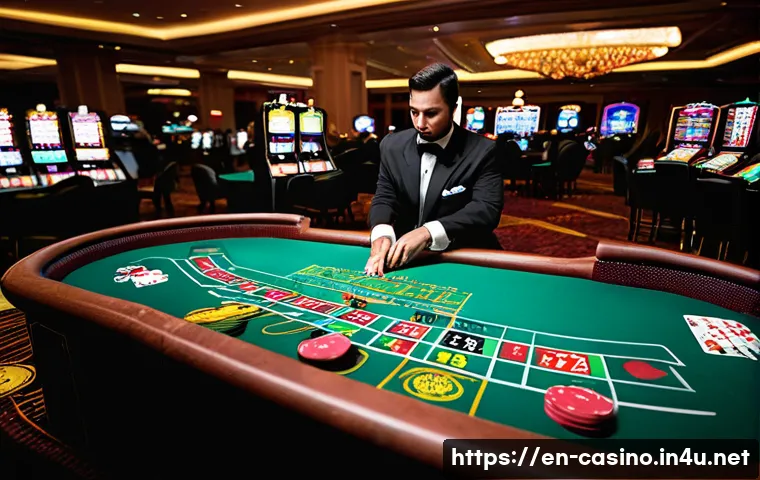
The most common system involves assigning point values to cards (like +1 for low cards and -1 for high cards) and keeping a running count. Dealers don’t use this to gain an advantage but rather to be alert to potential card counters.
I’ve found that this knowledge helps me stay one step ahead in managing the table atmosphere.
Using Ratios to Explain Game Strategies
Dealers often get questions about odds and best strategies. Explaining these concepts using simple ratios or percentages can be a game-changer in player relations.
For example, explaining the likelihood of busting on a hit in blackjack as roughly a 30% chance helps players make informed decisions. When I explain these things in plain language, it not only educates the players but also builds rapport, making the experience more enjoyable for everyone involved.
Recognizing Patterns to Maintain Fair Play
Being able to spot patterns or anomalies in card sequences or bets requires a combination of math and intuition. Sometimes, players rely on past outcomes to predict future events, which isn’t mathematically sound but common in gambling psychology.
Dealers who understand this can gently guide the game back to fairness by maintaining steady pace and transparency. In my own experience, this skill helps manage expectations and keeps the table atmosphere positive.
How Dealers Use Percentages to Handle Payouts
Calculating Percentage-Based Payouts
Some games and side bets pay out based on percentages rather than fixed odds. Dealers need to convert these percentages into actual payouts quickly. For example, a poker side bet might pay 10% of the pot to a player with a certain hand.
This requires multiplying the pot size by the percentage and rounding appropriately. I’ve found that having a mental calculator or a quick reference guide handy during shifts can save a lot of time and prevent mistakes.
Managing Progressive Jackpot Contributions
Progressive jackpots grow as players contribute a small percentage of each bet. Dealers must know exactly how much to add and how it affects payouts. This involves calculating a small cut—often around 1%—from each qualifying bet and tracking it accurately.
Understanding this math ensures the jackpot grows properly and payouts remain fair. From my experience, accuracy here is non-negotiable because any errors can lead to disputes or loss of trust.
Using Percentages to Monitor Table Limits
Casinos set table limits to control risk, often expressed as minimum and maximum bets. Dealers need to be aware of these limits and calculate if a player’s bet fits within them.
This sometimes involves converting chip stacks into percentages of the table max or min, especially in high-stakes games. Being comfortable with this math helps avoid awkward moments and keeps the game running smoothly.
Key Math Skills for Managing Multiple Games Simultaneously
Switching Between Different Game Rules and Payouts
Many dealers rotate between games like blackjack, baccarat, and craps, each with unique math requirements. Quickly switching your mental math mode is a challenge but essential.
For instance, blackjack payouts differ from baccarat’s 1:1 or 0.95:1 payouts on banker bets. I’ve found that creating mental “cheat sheets” for each game’s math rules helps me keep everything straight and avoid costly mistakes.
Tracking Bets Across Multiple Players
A dealer often manages a table with multiple players placing different bets simultaneously. Keeping track of each bet’s value, potential payout, and changes mid-round requires multitasking and sharp math skills.
When I started, this was overwhelming, but over time, I developed a system of visual grouping and mental notes that keeps me organized. This skill directly impacts the smoothness of the game and player satisfaction.
Balancing Speed with Precision Under Pressure
The casino floor is a fast-paced environment, and dealers must balance speed with precision constantly. Mistakes can be costly, but delays frustrate players.
I’ve learned that practicing common calculations during downtime and using shorthand methods for quick math helps maintain this balance. It’s a skill honed through experience but absolutely essential for success on the floor.
Summary of Core Math Concepts for Casino Dealers
| Math Concept | Application | Example | Importance |
|---|---|---|---|
| Mental Addition and Multiplication | Calculating total bets, payouts | Adding chip values quickly | Ensures speed and accuracy |
| Probability and Odds | Assessing game outcomes, spotting patterns | Knowing blackjack bust probabilities | Maintains fairness and flow |
| Percentage Calculations | Handling side bets, progressive jackpots | Calculating 10% of pot for payout | Manages risk and payouts |
| Chip Counting and Exchange | Converting chips to cash, managing stacks | Grouping chips by denomination | Prevents errors, builds trust |
| Ratios and Fractions | Explaining payouts, insurance bets | 3:2 blackjack payout explanation | Enhances player understanding |
Conclusion
Mastering quick mental math on the casino floor is essential for dealers to maintain game flow, accuracy, and professionalism. It not only enhances player trust but also helps prevent costly errors under pressure. With practice and experience, these skills become second nature, making every shift smoother and more rewarding.
Useful Tips to Keep in Mind
1. Always practice basic addition and multiplication daily to improve speed and accuracy.
2. Memorize common payout ratios and odds to quickly handle complex bets.
3. Develop a consistent chip counting and grouping method to avoid mistakes during exchanges.
4. Stay calm and focused, especially during busy periods, to balance speed with precision.
5. Use clear communication to explain odds and payouts, building player confidence and rapport.
Key Takeaways for Casino Dealers
Understanding and applying mental math skills quickly and accurately is vital for success on the casino floor. Dealers should focus on mastering core concepts like probability, percentage calculations, and chip management while maintaining composure under pressure. Combining these skills with clear communication fosters trust and ensures a smooth, engaging gaming experience for players and staff alike.
Frequently Asked Questions (FAQ) 📖
Q: What kind of math skills are essential for a casino dealer to perform their job effectively?
A: Casino dealers need a strong understanding of basic arithmetic, including quick addition, subtraction, multiplication, and division to manage bets and payouts accurately.
They also rely heavily on probability and odds to understand game outcomes and communicate these clearly to players. Being able to calculate payouts swiftly ensures the game moves smoothly without delays, which is crucial during busy hours.
From my experience, dealers who master mental math can handle pressure better and keep the energy at the table lively.
Q: How does understanding probability and odds help a dealer during a game?
A: Knowing probability and odds allows dealers to anticipate game outcomes and manage bets responsibly, which helps maintain fairness and transparency. For example, in blackjack, a dealer aware of the odds can quickly verify if a player’s claim or bet aligns with the game rules.
This knowledge also helps prevent disputes and builds trust with players. I’ve seen dealers use these skills to explain complex betting scenarios to beginners, making the experience more enjoyable for everyone involved.
Q: Are there any specific quick calculation tricks that dealers use to speed up the payout process?
A: Absolutely! Many dealers develop mental shortcuts for common payouts, like instantly calculating 3:2 blackjack wins or 2:1 roulette bets without hesitation.
They often break down complicated multipliers into simpler components to avoid mistakes under pressure. For instance, if a player bets $50 on a 3:2 blackjack payout, a quick trick is to find half of the bet ($25) and then add it to the original bet for a total payout of $75.
From my time observing dealers, these quick math hacks not only speed up the game but also reduce errors, keeping the floor running efficiently.