Ace Your Dealer Audition: Insider Tips for Casino Games Mastery

webmaster

Blackjack Dealer**

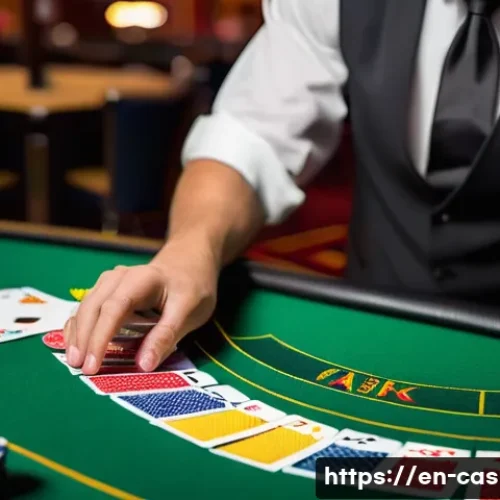
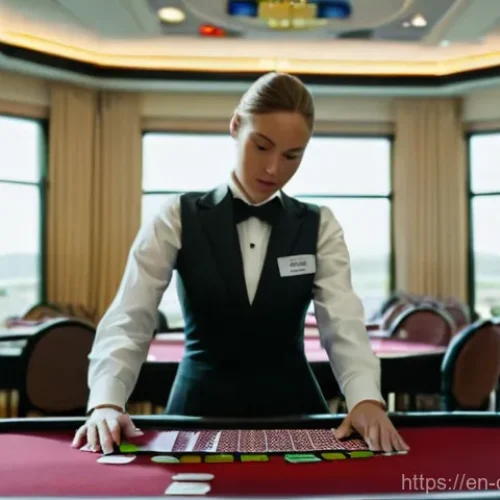
"A professional casino dealer, fully clothed in a crisp uniform with a bow tie, dealing blackjack cards at a green felt table in a busy casino. Chips are neatly stacked. Safe for work, appropriate content, professional, perfect anatomy, correct proportions, well-formed hands, proper finger count, high resolution, realistic lighting."

**

So, you’re thinking about taking a shot at becoming a casino dealer? It’s a pretty exciting career, dealing cards, managing bets, and being right in the thick of the action.

I remember when I first considered it, the whole thing felt like a scene from a movie! But before you jump in, it’s crucial to get some practice under your belt.

Treat it like any other skill you need to hone. I’ve been researching the best ways to prepare for the casino dealer exam, and it’s not just about knowing the rules of the games.

It’s also about speed, accuracy, and maintaining a professional demeanor under pressure. With the rise of online gaming and eSports, the casino industry is evolving, and dealers need to be adaptable and knowledgeable about new trends.

Plus, these days, casinos are really focusing on creating an immersive entertainment experience, so your customer service skills need to be top-notch.

Let’s dive in and take a look at some mock practice tips to get you ready!

Alright, let’s get you prepped for that casino dealer exam. Here’s a breakdown of what you need to focus on:

Mastering the Fundamentals: Speed and Accuracy Drills

ace - 이미지 1

Dealing isn’t just about knowing the rules; it’s about executing them flawlessly under pressure. Think of it like a musician practicing scales – you need to build that muscle memory.

Dealing Practice with a Timer

Set a timer and deal hands as quickly and accurately as possible. Start with simple games like blackjack and gradually move to more complex ones like Texas Hold’em or Caribbean Stud.

It’s a pretty good idea to grab a friend or family member to act as players, giving you different betting scenarios to react to. I remember when I was first starting out, I’d fumble with the cards constantly.

Timing myself really helped me to get a handle on it and boost my confidence.

Error Analysis and Correction

After each practice session, review your performance. Did you make any mistakes in calculating payouts? Were you slow in dealing certain cards?

Identify your weaknesses and focus on improving them. I used to record myself dealing and then watch it back later to catch any mistakes I missed in the moment.

Seriously, you’d be surprised at how many little things you can pick up on.

Simulating Casino Conditions

Try practicing in an environment that mimics a real casino. Play some background noise, like casino sounds or music, to simulate the atmosphere. You can even set up a mock casino table with chips and betting markers.

Trust me, getting used to the distractions will make a huge difference when you’re on the casino floor.

Honing Your Chip Handling Skills

Believe it or not, handling chips is a major part of being a casino dealer. You’ve got to be quick, accurate, and able to stack, count, and move chips efficiently.

Basic Chip Stacking and Counting Exercises

Practice stacking chips into neat, even stacks. Learn to count chips quickly and accurately, both by sight and by touch. You can start with small denominations and gradually work your way up to larger amounts.

My grandmother used to play poker every week and I’d always volunteer to help her with her chip stacks after the game. It actually became pretty fun!

Performing Common Chip Movements

Learn how to perform common chip movements, such as pushing bets, making change, and paying out winning hands. Practice these movements until they become second nature.

Imagine having to pay out a huge jackpot and fumbling with the chips! That’s not going to be a great look for you.

Using Chip Racks Efficiently

Familiarize yourself with the layout of a chip rack and learn how to organize and access chips quickly. Practice restocking the rack and making change for players.

I know some dealers who have custom chip racks designed to fit their specific needs. You might want to consider that down the line.

Mastering Payout Calculations Under Pressure

One of the most challenging aspects of being a casino dealer is calculating payouts quickly and accurately, especially when the pressure is on.

Practicing Common Payout Scenarios

Create a set of common payout scenarios for different casino games. Practice calculating the payouts for each scenario quickly and accurately. Use a timer to track your speed and identify areas where you need to improve.

Believe me, you don’t want to be the dealer who’s constantly making mistakes on payouts. That’s a surefire way to get a bad rep.

Utilizing Mental Math Techniques

Develop mental math techniques to help you calculate payouts quickly and accurately. Learn shortcuts and strategies for common calculations. For example, you can use doubling techniques to quickly calculate payouts for even-money bets.

I know a dealer who can calculate complex payouts in his head faster than I can with a calculator. It’s seriously impressive!

Dealing with Complex Betting Structures

Practice calculating payouts for complex betting structures, such as side bets, progressive jackpots, and bonus payouts. Be sure to understand the rules and payout structures for each type of bet.

This is where it really pays to know your stuff. Players will appreciate your expertise, and you’ll avoid making costly mistakes.

Developing Impeccable Customer Service Skills

Casinos are all about the entertainment experience, so your ability to interact with customers and provide excellent service is super important.

Practicing Verbal Communication

Work on your verbal communication skills. Speak clearly, concisely, and professionally. Learn how to greet players, explain the rules of the game, and answer questions effectively.

I remember a dealer I worked with who could charm the pants off anyone. He always had a smile on his face and knew exactly what to say to make people feel comfortable.

Practicing Non-Verbal Communication

Pay attention to your non-verbal communication. Maintain eye contact, smile, and use positive body language to create a welcoming and engaging atmosphere.

Just be careful not to overdo it with the smiling; you don’t want to look like you’re trying too hard.

Handling Difficult Situations

Learn how to handle difficult situations, such as dealing with upset or angry players. Remain calm, professional, and respectful, even when faced with challenging behavior.

I once saw a dealer diffuse a heated argument between two players by simply listening to their concerns and offering a solution. It was seriously impressive.

Here’s a quick reference table with some key skills and practice methods:

Skill Practice Method Tips
Speed and Accuracy Timed dealing drills Start slow, focus on accuracy, then increase speed.
Chip Handling Stacking, counting, and moving exercises Practice with different denominations and quantities.
Payout Calculations Scenario-based drills Use mental math techniques and memorize common payouts.
Customer Service Role-playing and communication exercises Practice active listening and conflict resolution.

Understanding Casino Security Procedures

Casinos have strict security procedures in place to prevent cheating, theft, and other illegal activities. As a dealer, you need to be familiar with these procedures and know how to respond to security threats.

Identifying Suspicious Behavior

Learn how to identify suspicious behavior, such as card counting, collusion, and chip stealing. Pay attention to players’ body language and betting patterns.

Trust your instincts – if something feels off, it probably is. I once noticed a player trying to slip a chip into his pocket when he thought I wasn’t looking.

I discreetly alerted security, and they were able to catch him in the act.

Following Security Protocols

Adhere to all casino security protocols, such as verifying IDs, handling cash transactions, and reporting suspicious activity. Be sure to follow the chain of command and report any concerns to your supervisor or security personnel.

These procedures are in place for a reason, so it’s important to take them seriously.

Maintaining Awareness of Your Surroundings

Stay alert and aware of your surroundings at all times. Keep an eye on the players, the table, and the casino floor. Be vigilant and proactive in identifying and reporting potential security threats.

You’re the first line of defense against cheating and theft, so it’s important to be on your game.

Perfecting Your Game-Specific Skills

Each casino game has its own unique set of rules, procedures, and strategies. To be a successful dealer, you need to master the specific skills required for each game.

Blackjack Dealing Techniques

Learn the proper techniques for dealing blackjack, including shuffling, dealing cards, and calculating payouts. Practice dealing at a consistent speed and maintaining a smooth rhythm.

Blackjack is one of the most popular casino games, so it’s important to be proficient in dealing it.

Poker Dealing Techniques

Master the techniques for dealing various poker games, such as Texas Hold’em, Omaha, and Seven-Card Stud. Learn how to shuffle, deal, and manage the pot.

Poker dealing requires a high level of skill and attention to detail, so it’s important to practice regularly.

Roulette Dealing Techniques

Understand the proper techniques for spinning the roulette wheel, calling the numbers, and paying out winning bets. Practice placing bets and managing the layout.

Roulette dealing requires a steady hand and a good eye, so it’s important to develop your skills. By focusing on these key areas and putting in the time and effort to practice, you’ll be well on your way to acing that casino dealer exam and starting a successful career in the gaming industry.

Good luck!

Wrapping Up

So there you have it! Becoming a casino dealer isn’t just about knowing the rules, it’s about mastering them under pressure and providing top-notch customer service. Keep practicing, stay sharp, and remember to enjoy the thrill of the game. With dedication and a bit of luck, you’ll be dealing like a pro in no time.

Handy Tips to Remember

1. Always double-check your payouts, even if you’re feeling rushed. A mistake can cost the casino money and damage your reputation.

2. Stay calm and professional, even when dealing with difficult customers. Your composure can defuse tense situations and maintain a positive atmosphere.

3. Take advantage of any training opportunities offered by the casino. Learning new games or refining your skills can increase your value as a dealer.

4. Build relationships with your fellow dealers and supervisors. Teamwork and communication are essential for a smooth and efficient casino operation.

5. Remember to take breaks and stretch your muscles regularly. Dealing can be physically demanding, so it’s important to take care of yourself.

Key Takeaways

Practice Makes Perfect: The more you practice dealing, handling chips, and calculating payouts, the more confident and proficient you’ll become.

Customer Service is Key: Providing excellent customer service is crucial for creating a positive gaming experience and earning tips.

Security Awareness is Essential: Staying alert, following security protocols, and reporting suspicious activity are vital for maintaining a safe and secure casino environment.

Game Knowledge is Power: Mastering the rules, procedures, and strategies for each casino game will set you apart as a knowledgeable and competent dealer.

Continuous Learning is a Must: The gaming industry is constantly evolving, so it’s important to stay up-to-date on the latest trends, technologies, and regulations.

Frequently Asked Questions (FAQ) 📖

Q: Okay, so I know the basic rules of blackjack, but how do I get faster at dealing and calculating payouts without messing up under pressure?

A: That’s a great question! It’s not just about knowing the rules; it’s about muscle memory and staying calm when the bets are high. Personally, I found that practicing with a deck of cards at home, dealing to imaginary players, really helped.
Time yourself and try to beat your own record each day. Start slow and focus on accuracy, then gradually increase your speed. As for payouts, create flashcards with different winning hands and their corresponding payouts.
Quiz yourself regularly. And hey, visualize yourself in a real casino setting! Imagine the noise, the people, the pressure, and practice staying focused.
Also, don’t be afraid to ask for help during your training. Seasoned dealers have tons of tricks up their sleeves and are usually willing to share their expertise.
Trust me, everyone makes mistakes, especially when starting out. The key is to learn from them and keep practicing.

Q: I’m kinda worried about dealing with difficult or even drunk players.

A: ny tips on how to handle them without losing my cool or getting into trouble? A2: Ah, the “challenging” customer! That’s something every dealer faces eventually.
The key is to remain professional and de-escalate the situation. If a player is being disruptive, stay calm, speak clearly, and repeat yourself if necessary.
Don’t argue or get drawn into their emotional state. Remember, you’re representing the casino, so your behavior reflects on them. If someone is clearly intoxicated, politely refuse to serve them alcohol and keep an eye on their behavior.
If their behavior escalates, or they start harassing other players or you, immediately alert your supervisor or security. It’s always better to err on the side of caution.
Some casinos even offer training on conflict resolution and dealing with difficult customers. See if that is available and take advantage of it! Ultimately, your safety and the safety of the other patrons are the priority.

Q: Besides knowing the game rules, what other skills or knowledge should I focus on to really stand out in the casino dealer exam and on the job?

A: You’re on the right track! Beyond the basics, think about the whole experience. Customers aren’t just there to gamble, they are there to be entertained.
Hone your customer service skills; a friendly smile and a welcoming attitude can go a long way. Learn to make small talk, remember regular players’ names, and create a positive atmosphere at your table.
Also, it’s worth understanding the broader casino environment. Learn a bit about different casino games, the history of gambling, and the latest trends in the industry.
Showing initiative and a genuine interest in the casino world will impress potential employers. And honestly? Be reliable and punctual.
Showing up on time and being ready to work hard demonstrates professionalism and commitment. Casinos value employees who are dependable and contribute to a positive work environment.