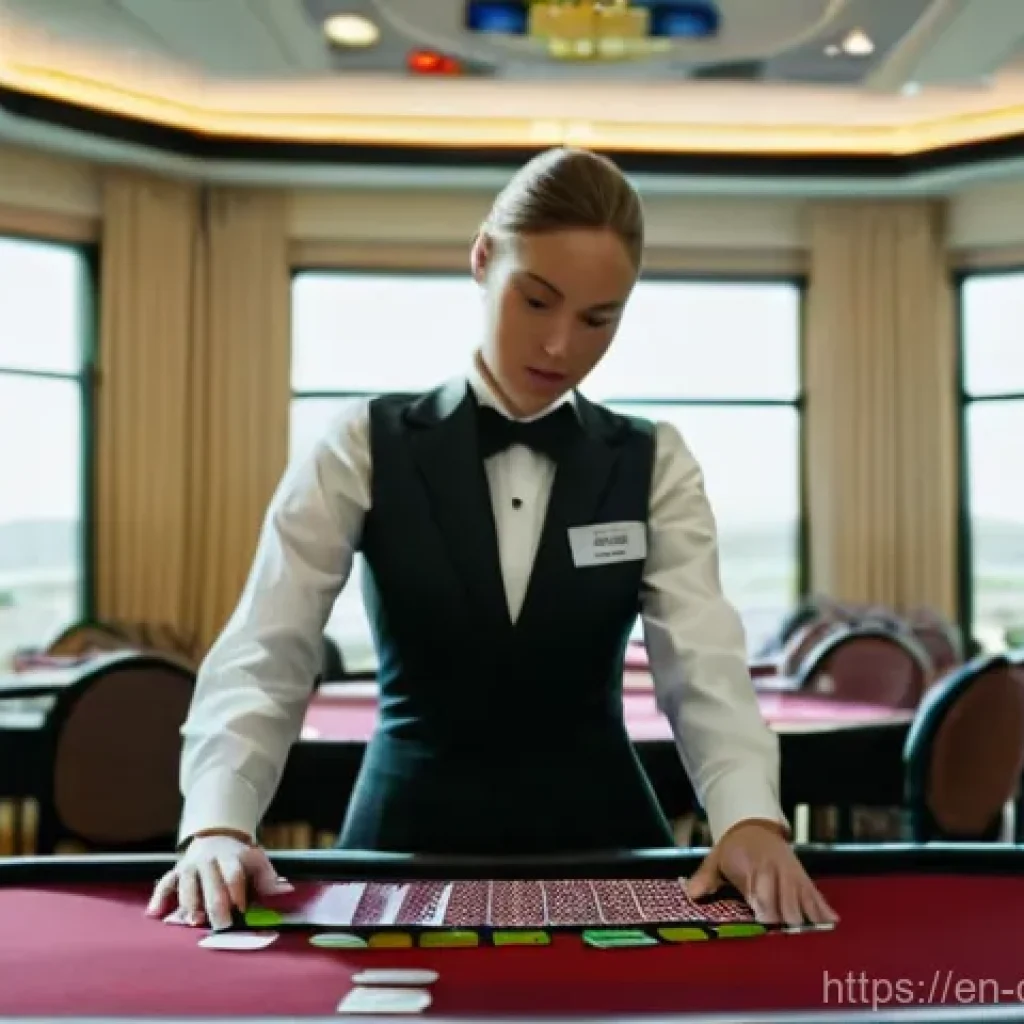
Ever pictured yourself in the heart of the action, perfectly dealing cards or spinning the roulette wheel in a vibrant casino? It’s a dream job for many, filled with excitement and dynamic energy, but let’s be real – landing that coveted casino dealer position is a bit like a high-stakes game itself.
I’ve seen firsthand how crucial it is to make an unforgettable first impression, and your cover letter is truly your golden ticket to standing out in a crowded field of hopefuls.
Forget bland templates; this isn’t just about listing your skills, it’s about showcasing your unique personality and passion for the game, demonstrating you’re ready to create an exceptional experience for every guest.
If you’re ready to stack the deck in your favor and land that dream job, let’s dive in and make sure your application deals you a winning hand!
Embarking on the Dealer’s Journey: Training and Essential Credentials

So, you’re thinking about stepping into the dynamic world of a casino dealer, huh? That’s fantastic! But before you can dazzle players with your card-slinging prowess or your smooth roulette spins, there’s a foundational journey you need to undertake. From what I’ve seen, the path often starts with solid training, which is absolutely non-negotiable. Most casinos, especially the reputable ones, require you to have at least a high school diploma or its equivalent, which makes sense because you’ll be handling numbers and quick calculations constantly. After that, it’s all about specialized dealer training, and trust me, there are a couple of routes you can take. Some folks choose independent dealer training schools, which typically run anywhere from a few weeks to a few months, depending on how many games you want to master. These schools are brilliant for getting hands-on practice, and they often use actual casino equipment, giving you a real feel for the environment. On the flip side, some casinos offer fantastic in-house training programs once you’re hired, which can be a huge bonus because it means they’re investing directly in your future with them. No matter which path you choose, remember that this isn’t just about learning game rules; it’s about developing precision, speed, and that all-important customer service flair. It’s a commitment, but one that truly pays off when you’re confidently running a high-stakes table.
Mastering the Games and Getting Licensed
Once you’ve got that high school diploma sorted, your next big step is diving deep into game mastery. Most entry-level dealers start by learning one or two core games, like blackjack or roulette, which can take anywhere from two to four weeks each. Blackjack, for instance, is often considered a great starting point because it teaches you fundamental card handling and math skills, but don’t underestimate the complexity of keeping track of multiple hands and payouts in your head! Roulette, with its spinning wheel and intricate betting patterns, demands incredible accuracy and a sharp eye. I remember practicing chip conversions for hours, trying to get my speed up to snuff. Beyond the game mechanics, you absolutely need to obtain a gaming license from your local or state gaming commission, and let me tell you, this process is thorough. It typically involves extensive background checks, fingerprinting, and drug screenings, all designed to ensure the integrity and trustworthiness that casinos absolutely depend on.
The Real-World Skills Beyond the Rulebook
While knowing the rules inside out is critical, being a successful casino dealer goes far beyond that. We’re talking about a blend of practical skills and personality traits that make you shine. You need to be a whiz with numbers, capable of calculating payouts and understanding house edge on the fly, often under pressure. Manual dexterity is another big one—think about shuffling cards with lightning speed, smoothly spinning a roulette wheel, or precisely handling chips. It truly becomes an art form! Then there’s the customer service aspect, which is massive. You’re the face of the casino at your table, so excellent communication, a friendly demeanor, and the ability to engage with a diverse crowd are paramount. I’ve found that being able to read the room and adjust your interaction style is key; some players want friendly banter, others prefer a quieter, focused game. And let’s not forget quick thinking and conflict resolution – because when tensions run high, you’re the one who needs to stay calm, diplomatic, and ensure the game keeps flowing smoothly.
The Daily Grind: What a Dealer’s Shift Really Looks Like
Forget those glamorous movie portrayals for a second. The reality of a casino dealer’s day, while undeniably exciting, is also incredibly structured and demanding. My own shifts have always kicked off long before I even touched a card. You usually arrive at the casino a good hour or two before your assigned table time for a mandatory briefing. This is where supervisors update everyone on new promotions, any policy changes, or even specific players to keep an eye on. It’s also when you get your table assignment for the rotation. Then, it’s off to the floor for equipment checks, ensuring all chips, cards, and markers are in place and accounted for before the first player sits down. The actual dealing is intense; you’re managing the game, keeping the pace, interacting with players, and constantly checking for accuracy. It’s a constant dance of precision and personality. The casino floor is a high-energy environment, buzzing with sounds and lights, and you need to maintain focus through it all. Breaks are crucial and usually come around every 30 to 60 minutes, giving you a chance to step away, grab a coffee, and decompress before jumping back into the fray. Shifts typically run about six to eight hours, and yes, that often means working nights, weekends, and holidays, because that’s when the action is truly alive!
Before the Cards Are Dealt: Preparation is Key
Before any chips hit the felt, a dealer’s preparation is paramount. You can’t just stroll onto the floor; there’s a ritual involved. After that initial briefing where you’re brought up to speed on the day’s nuances, it’s all about making sure your assigned table is in perfect order. This means a thorough check of all equipment: Are the cards fresh and properly shuffled? Are the chips neatly stacked and correctly denominated? Are all betting markers and other game-specific tools exactly where they should be? Every detail matters, not just for gameplay, but for the casino’s integrity and security. I’ve seen dealers meticulously arrange their chip trays, almost like an artist setting up their palette, because that level of organization helps with speed and accuracy when the game gets going. It’s a mental and physical warm-up, ensuring you’re completely ready to deliver that seamless, professional experience from the very first hand.
The Thrill of the Table: Interacting and Managing the Game
Once you’re at the table, that’s where the magic happens. You greet players, perhaps explain a rule or two to a newcomer, and then it’s game on. As a dealer, you’re not just a card-slinger; you’re a facilitator, a manager, and often, a bit of an entertainer. You’re dealing cards, spinning the roulette wheel, or rolling the dice with practiced precision, all while managing bets, calculating payouts, and making sure everyone adheres to the rules. It’s about keeping the flow smooth and engaging, adjusting to the energy of the players. Some folks love to chat, sharing stories of their day or their big wins, while others prefer to concentrate quietly. I’ve learned to read those cues and tailor my interactions. You’re also constantly monitoring for any irregularities, ensuring fair play and maintaining the integrity of every single game. It’s a demanding role, requiring unwavering focus and mental stamina, but the thrill of a lively table and the genuine interactions with players make it incredibly rewarding.
Climbing the Ranks: Your Dealer Career Path
Many people assume being a casino dealer is a static job, but let me tell you, that couldn’t be further from the truth. The casino industry, especially for dealers, offers some really intriguing avenues for career progression if you’re driven and eager to learn. Your journey often starts by becoming proficient in a few core games, as we discussed. But as you gain experience, that opens doors to mastering more complex games like craps or specialized poker variants, which not only makes you a more versatile asset to the casino but can also boost your earning potential from tips. Beyond just dealing, there are clear upward mobility paths. I’ve seen colleagues transition from being a skilled dealer to a Senior Casino Dealer, where they might mentor newer staff or handle more high-stakes tables. The next logical step often involves moving into a supervisory role, like a Lead Casino Dealer or even a Pit Supervisor, where you oversee a section of tables, ensure regulatory compliance, and handle player disputes. These roles demand strong leadership, problem-solving skills, and a comprehensive understanding of all table game operations. It’s a testament to how far a dedicated work ethic and a friendly, professional demeanor can take you in this exciting industry.
From Dealer to Supervisor: Taking on More Responsibility
The transition from a dealer to a supervisory role is a significant leap, one that many aspiring dealers set their sights on. After you’ve spent a few years honing your craft at the tables, becoming an expert in multiple games, and consistently demonstrating exceptional customer service and integrity, the opportunity to become a Lead Casino Dealer or a Pit Supervisor might present itself. These positions involve more than just overseeing games; you’re responsible for a section of the casino floor, ensuring all dealers are performing correctly, that games are running smoothly, and that all regulatory procedures are strictly followed. It’s a role that requires a keen eye for detail, strong communication skills to liaise between management and floor staff, and the ability to resolve conflicts with grace and authority. This career path isn’t just about gaining more seniority; it’s about growing into a leadership position where you actively shape the gaming experience for both players and your team.
Exploring Beyond the Pit: Other Casino Career Opportunities
And the progression doesn’t stop at the pit. The casino world is vast, offering a surprising array of specialized roles that seasoned dealers can pivot into. With your intimate knowledge of game mechanics, player behavior, and casino operations, you could explore paths in casino surveillance, where your expertise is invaluable in identifying potential cheating or suspicious activity. Compliance is another area, ensuring the casino adheres to all gaming laws and regulations – a role that truly values someone with on-the-floor experience. For those with a knack for hospitality and building relationships, moving into VIP services or becoming a Casino Host is a natural fit, leveraging your established rapport with high-value guests. Even the burgeoning online casino sector offers opportunities, with some experienced dealers transitioning into roles like game inspectors for automated systems or becoming live online dealers, projecting their personality through a screen to a global audience. The key is to continuously learn, adapt, and keep an eye out for how your unique skill set can contribute to different facets of the gaming empire.
The Financial Side: Understanding Dealer Earnings and Tips
Let’s talk money, because for many, this is a huge part of the allure of becoming a casino dealer. It’s no secret that a significant portion of a dealer’s income comes from tips, often referred to as “tokes” in the industry. While the base hourly wage might hover around minimum wage or slightly above—I’ve seen averages around $18.38 an hour in the US, for instance—those tips can really stack up. I’m talking about potentially earning anywhere from $15 to $50 per hour in tips, and in some high-roller areas or during peak times, it’s not uncommon for dealers to walk away with an extra $200 or more in tips in a single day. This means your total annual income can vary wildly, from roughly $25,000 to well over $100,000 in top-tier casinos. It’s a testament to the idea that excellent service and a great personality genuinely get rewarded in this line of work. Of course, several factors play into how much you’ll actually take home, from the type of game you’re dealing to the shift you’re working, and even the specific casino’s tipping policy. It creates a dynamic earning environment that’s a world away from a typical fixed salary job.
The Art of the Tip: How Dealers Make Their Living
The bulk of a casino dealer’s earnings truly rests on the generosity of the players, making tipping a crucial aspect of the job. Different table games can impact your tip potential; for example, I’ve noticed blackjack and craps tables often yield higher tips than some other games, likely due to their faster pace and the perceived excitement they generate. Your shift timing is another huge factor. Night and weekend shifts typically bring in more patrons and, consequently, more tipping opportunities. Plus, your experience and skill play a massive role; seasoned dealers who are not only efficient but also great at building rapport with players tend to receive more generous gratuities. Casino policies also matter a great deal. Some establishments operate on a “tip pooling” system, where all tips are collected and then distributed evenly among the dealers, ensuring a more consistent income. Other casinos allow dealers to keep their individual tips, which can be fantastic on a lucky night but also more unpredictable. I’ve personally experienced both systems, and while pooling offers stability, keeping your own tips can be incredibly motivating when you’re on a hot streak!
Beyond the Hourly Wage: Perks and Benefits
It’s not all about the hourly wage and tips; many casinos also offer competitive benefits packages that add significant value to a dealer’s compensation. These can often include comprehensive health insurance, paid time off, and even retirement plans, which are huge advantages in any job market. Some larger casino resorts might even offer perks like discounted meals, transportation assistance, or access to employee wellness programs. I’ve heard of establishments offering performance-based bonuses or incentives for exceptional customer service, too, which is a nice little extra. For those looking to further their education within the hospitality or gaming industry, some casinos go as far as to offer tuition reimbursement. So, while the base pay might seem modest, when you factor in the potential for substantial tips and a solid benefits package, a career as a casino dealer can be quite lucrative and stable, particularly at a well-established venue.
Navigating the Lifestyle: Work-Life Balance in the Casino World
Let’s be honest, working in a casino isn’t your typical nine-to-five. The lifestyle of a casino dealer is a unique beast, and it definitely requires a certain kind of person to thrive. The most immediate thing you’ll notice is the irregular hours. Casinos are 24/7 operations, which means you’ll be working a lot of nights, weekends, and holidays – precisely when everyone else is out enjoying themselves. This can definitely take some getting used to and might affect your social life outside of the casino world. I remember struggling a bit with adjusting my sleep schedule when I first started on swing shifts. Then there’s the physical demand; you’re on your feet for most of your shift, constantly moving your hands and arms, which can lead to fatigue or even repetitive strain if you’re not careful. Beyond the physical, it’s a mentally demanding job, requiring intense focus and composure, especially during high-stakes games or when dealing with difficult customers. However, despite these challenges, there’s a vibrant community among dealers, and the excitement of the gaming floor itself can be incredibly energizing. It’s a trade-off, but for many, the unique rewards far outweigh the hurdles.
The Ups and Downs of Non-Traditional Hours
Working in a casino means saying goodbye to a conventional schedule, and that has its own set of pros and cons. On one hand, the flexibility can be a real plus for some. If you’re a night owl or prefer your weekdays free, these shifts can align perfectly with your natural rhythm. I’ve found that having weekdays off allows me to run errands or attend appointments without the usual crowds, which is a small but significant advantage. On the other hand, it can be tough to maintain a social life with friends and family who work traditional hours. Missing out on weekend gatherings or holiday celebrations is just part of the deal. You learn to cherish those moments you do get and adapt your social calendar. Plus, dealing with the occasional irregular sleep patterns can definitely be a challenge, requiring diligent self-care to stay energized and focused. It really boils down to how well you can adapt and how much you value the unique aspects of the casino environment over a standard workday.
Mental Fortitude and Customer Diplomacy

Being a casino dealer isn’t just about shuffling cards or spinning a wheel; it’s a masterclass in mental fortitude and diplomatic customer service. You’ll encounter a full spectrum of human emotions at your table, from ecstatic winners to frustrated losers, and everything in between. Maintaining your composure, staying impartial, and keeping a positive demeanor, regardless of a player’s mood, is absolutely critical. I’ve learned that it’s vital to stay attentive but emotionally detached from the game’s outcomes, because after all, it’s not your money on the line. Handling a challenging or intoxicated customer requires a cool head, active listening, and the ability to de-escalate situations while strictly adhering to casino policies. Sometimes, it means gently reminding players of the rules, or, if needed, discreetly involving a supervisor. It’s a constant exercise in emotional intelligence and professionalism, ensuring that everyone at your table, even those having a tough run, feels respected and has an enjoyable experience.
The Evolution of Gaming: Adapting to New Technologies
Just like every other industry, the casino world isn’t standing still. I’ve watched it evolve quite a bit, especially with new technologies changing how we play and even how we deal. Gone are the days when it was *just* about the physical table; now, online gaming and live dealer casinos are a massive part of the landscape. This means that as a dealer, you might find yourself adapting to a whole new set of skills, perhaps even working in a studio environment for a live online stream rather than a bustling casino floor. It’s a fascinating shift, and it opens up new avenues for those of us who love the game. Adapting to these changes isn’t just about staying employed; it’s about expanding your expertise and understanding the future of entertainment. This evolution requires embracing new tools, from understanding live-streaming platforms to working with online gaming software. It’s a dynamic time to be in the business, and dealers who are open to continuous learning will undoubtedly find themselves with more opportunities than ever before.
Live Dealer Studios vs. Traditional Casino Floors
The rise of live dealer online casinos has created an entirely new dimension for our profession. If you’re working in a live dealer studio, the experience is quite different from a traditional casino floor. Instead of directly interacting with players across a felt table, you’re looking into a camera, projecting your personality and managing the game through a screen. This requires a unique set of skills: a personable on-camera presence, clear articulation, and the ability to engage with players remotely. The studio environment is usually quieter, highly technical, and often involves rotating between games every 30-40 minutes to keep the dealer fresh and the online game engaging. I’ve talked to dealers who love the controlled environment and the global reach of online platforms, while others prefer the immediate energy and direct human connection of a brick-and-mortar casino. Both have their charms and their challenges, but they both rely on the core skills of dealing precision and exceptional customer service. It just goes to show how versatile a dealer’s skillset can be!
Embracing Digital Dexterity and Tech Skills
With the shift towards online gaming, digital dexterity is becoming almost as important as manual dexterity for dealers. While the fundamental skills of dealing remain, understanding and operating various casino management systems, live-streaming platforms, and online gaming software is increasingly essential. This means that a basic level of computer literacy, and even an aptitude for troubleshooting minor technical glitches, can give you a significant edge. Think about it: you’re not just moving chips; you might be monitoring a chat window, ensuring fair play through digital tools, or managing software interfaces. I never thought I’d be needing tech skills when I first started learning blackjack, but here we are! It’s a clear indication that the role of a casino dealer, while deeply rooted in tradition, is also evolving. Those who embrace these technological advancements will be well-positioned to ride the wave of innovation in the gaming industry, opening up even more diverse career possibilities.
Beyond the Bet: The Soft Skills That Make a Dealer Shine
When you picture a casino dealer, you probably imagine someone who’s incredibly skilled with cards or chips, right? And you’d be absolutely right! But from my years at the tables, I can tell you that what truly separates a good dealer from a *great* dealer isn’t just their technical proficiency; it’s their mastery of those crucial soft skills. These are the intangible qualities that make players want to sit at *your* table, that keep them engaged and coming back for more, win or lose. We’re talking about things like exceptional communication, a genuine sense of patience, the ability to resolve conflicts with a calm demeanor, and an unwavering attention to detail. These aren’t skills you learn from a rulebook; they’re honed through countless hours of interaction, observation, and a deep understanding of human psychology. It’s what transforms a simple game into a memorable experience, and honestly, it’s what makes the job so incredibly rewarding and interesting on a day-to-day basis. Mastering these soft skills is truly the secret sauce to a long and successful career in the casino world.
The Power of Communication and Engagement
Effective communication is, hands down, one of the most powerful tools in a dealer’s arsenal. It’s not just about clearly announcing game results or explaining rules to newcomers; it’s about making every player feel welcome and engaged. I’ve found that a simple, warm greeting and remembering a player’s name can go a long way in creating a positive atmosphere. It’s about being observant enough to know when to chat and when to let players concentrate, when to offer a word of encouragement, and when to just let the game flow. Friendly customer service doesn’t just make the game more enjoyable; it fosters loyalty and can even influence those generous tips we talked about! Beyond the table, clear communication with pit bosses and other casino staff ensures the entire operation runs smoothly, from resolving minor issues to coordinating breaks. It’s a constant verbal dance that keeps everything in sync and ensures a seamless, enjoyable experience for everyone involved.
Composure Under Pressure and Conflict Resolution
Life at the tables can get intense, and that’s where your composure and conflict resolution skills truly earn their keep. Imagine a player on a losing streak, getting agitated, or perhaps someone misinterpreting a rule – these situations require a dealer to be a rock. Staying calm and professional under pressure is absolutely paramount. I’ve been in plenty of situations where the heat was on, and the key was always to remain level-headed, listen intently to the player’s concerns, and then calmly refer to casino policies or, if necessary, involve a supervisor. It’s never about arguing or taking things personally; it’s about maintaining the integrity of the game and the positive atmosphere. Your ability to think quickly, manage your emotions, and guide a tense situation towards a resolution is a hallmark of an exceptional dealer. It’s a challenging aspect of the job, but successfully navigating these moments can be incredibly satisfying.
| Skill Category | Essential Skills | Why It Matters |
|---|---|---|
| Technical Proficiency | Game Mastery (Blackjack, Roulette, Poker, etc.), Chip Handling, Card Dealing, Payout Calculation, Table Management | Ensures fair, accurate, and efficient gameplay, forming the core of the dealer’s role. |
| Interpersonal Skills | Customer Service, Communication, Engagement, Diplomacy, Conflict Resolution, Patience | Creates a welcoming atmosphere, fosters player loyalty, and effectively manages diverse interactions and disputes. |
| Cognitive Abilities | Numerical Aptitude, Attention to Detail, Quick Thinking, Composure Under Pressure, Memory | Crucial for accurate calculations, monitoring game integrity, and reacting calmly in fast-paced environments. |
| Professionalism & Ethics | Integrity, Reliability, Adherence to Rules & Regulations, Trustworthiness, Professional Appearance | Upholds the casino’s reputation, ensures security, and builds player confidence in the game. |
Building Your Reputation: From Newbie to Valued Veteran
Every seasoned dealer you meet, the ones who command respect and draw a crowd, started right where you are now – as a hopeful newcomer. Building a solid reputation in the casino industry is a marathon, not a sprint, and it’s built brick by brick through consistent effort and a genuine passion for what you do. It’s about more than just showing up; it’s about consistently delivering a top-notch experience, both in terms of your dealing skills and your customer interactions. Over time, as you master more games, demonstrate unwavering reliability, and develop that friendly yet professional demeanor, you’ll find that doors start to open. Other dealers will seek your advice, supervisors will recognize your dedication, and most importantly, players will remember you. That’s when you know you’re not just a dealer anymore; you’re a valuable part of the casino family, a trusted face on the floor. It’s a deeply satisfying feeling, knowing that your hard work and personality have carved out a respected place for you in this unique world.
Consistency and Reliability: The Cornerstones of Trust
In the high-stakes environment of a casino, consistency and reliability are absolutely priceless. Players need to trust that you’re fair, accurate, and professional every single time they sit at your table. This means consistently following game procedures to the letter, making accurate payouts without fail, and always maintaining a calm, impartial presence. For example, ensuring that every bet is within the maximum and minimum table limits and explaining procedures clearly builds immense confidence. From a management perspective, knowing they can count on you to show up on time, handle your shifts with expertise, and uphold the casino’s standards is what truly makes you an invaluable team member. I’ve always felt that demonstrating this level of trustworthiness is what sets the stage for any kind of advancement or greater responsibility. It’s the silent promise you make to everyone on the floor, and it’s a promise you have to keep every single day.
Networking and Mentorship: Growing Your Casino Family
While dealing can sometimes feel like an individual performance, the casino world is deeply interconnected, and networking is a powerful tool for building your career. Connecting with other dealers, pit bosses, and even management isn’t just about making friends; it’s about building a supportive community and opening up avenues for growth. I’ve learned so much just by observing experienced dealers, asking questions during breaks, and listening to their advice. Mentorship, whether formal or informal, can be incredibly beneficial. Having someone who’s been through it all, who can offer insights into navigating difficult situations or mastering a new game, is truly invaluable. These relationships can provide guidance, support, and even lead to opportunities you might not have found otherwise. Remember, the casino floor is a team environment, and fostering those connections can make all the difference in your journey from a fresh face to a respected veteran.
Closing Thoughts
Well, folks, that’s a glimpse into the vibrant and demanding world of a casino dealer. It’s more than just shuffling cards; it’s about mastering games, navigating human dynamics, and bringing your best self to the table every single shift. While the journey demands dedication and resilience, the rewards—both financial and personal—can be incredibly fulfilling. If the glittering lights and fast pace call to you, remember that a rewarding career as a dealer is absolutely within your grasp, ready for you to make your mark.
Handy Tips for Aspiring Dealers
1. Start with the Basics: Focus on mastering one or two core games like Blackjack or Roulette first. Specializing early helps you build confidence and get hired.
2. Network Actively: Connect with current dealers and pit bosses. Industry connections can offer invaluable advice and even lead to job opportunities.
3. Practice Your Payouts: Speed and accuracy in mental math are crucial. Practice counting chips and calculating complex payouts until it’s second nature.
4. Polish Your People Skills: Beyond game mechanics, your ability to engage, empathize, and handle diverse personalities will set you apart and directly impact your tips.
5. Understand the Lifestyle: Be prepared for irregular hours, including nights, weekends, and holidays. A balanced routine is key to long-term success and well-being.
Key Takeaways
To sum it all up, becoming a successful casino dealer is a multifaceted journey that combines rigorous technical training with an innate knack for people. You’ll need to master game mechanics with precision, but equally important is cultivating strong interpersonal skills, a calm demeanor under pressure, and a commitment to impeccable customer service. Remember that your reputation is built on consistency, reliability, and continuous learning, opening doors to advanced roles and even new avenues within the dynamic gaming industry. It’s a career that challenges you, rewards you, and truly allows your unique personality to shine on a global stage.
Frequently Asked Questions (FAQ) 📖
Q: So, how do I really make my casino dealer cover letter sparkle and stand out in a stack of applications?
A: This is where you truly deal yourself a winning hand, my friend! Forget those generic templates that sound like everyone else. From what I’ve seen, the absolute best way to make your cover letter sparkle is to ditch the corporate speak and let your genuine personality shine through.
Think of it like this: every guest at your table wants to feel special, right? Your cover letter should make the hiring manager feel that same personal connection.
Instead of just listing “proficient in blackjack,” tell them why you love the dynamic energy of a blackjack table, or a brief story about a time you turned a challenging situation with a guest into a positive experience.
I’ve found that sharing a small, authentic anecdote about your passion for the game and the unique thrill of creating an exceptional experience for people really sets you apart.
It’s about showing, not just telling, that you understand the heart of hospitality and the buzz of the casino floor. It’s that personal touch, that glimmer of your enthusiasm, that truly makes them lean in and want to know more about you.
Q: Beyond just knowing how to deal cards, what specific skills or experiences should I absolutely highlight in my cover letter for a casino dealer role?
A: Great question, and it’s one I hear a lot! While your technical dealing skills are obviously a must, believe me, casinos are looking for so much more.
From my own experience observing top dealers, the truly indispensable skills go way beyond shuffling and dealing. You need to emphasize your impeccable customer service, your ability to think on your feet, and your knack for keeping a cool head under pressure – imagine a busy Saturday night at the roulette wheel!
Highlight your sharp observation skills, which are crucial for spotting game irregularities and ensuring fair play, and your fantastic interpersonal communication.
Can you manage a lively table, make people feel comfortable, and perhaps even diffuse a tense situation with a friendly smile? Those are gold! If you’ve worked in any customer-facing role, even if it wasn’t in a casino, connect those experiences directly to how you’d excel at creating an unforgettable, positive experience for casino guests.
It’s about showcasing that you’re not just a card mechanic, but a genuine entertainer and a master of guest relations.
Q: Is there a secret to demonstrating my “passion for the game” and commitment to an “exceptional guest experience” without sounding totally cliché?
A: Oh, absolutely! And this is where you can really hit the jackpot. The trick is to be specific and avoid those worn-out phrases.
Instead of saying “I’m passionate about gaming,” tell them what specifically excites you about the casino environment. Is it the electrifying atmosphere of a packed craps table, the strategic dance of poker, or the quiet focus needed for baccarat?
I’ve personally seen how much it resonates when applicants share a brief, real-life example. Maybe you worked in a high-pressure service industry and excelled at making customers feel like VIPs, or perhaps you’ve taken the time to truly understand the nuances of different casino games.
Connect your love for the “game” with your desire to deliver an outstanding “experience.” For instance, you could say something like, “I thrive on the energy of the gaming floor and genuinely enjoy the challenge of ensuring every player, win or lose, leaves my table feeling like they had a fantastic time.” It’s about showing genuine enthusiasm through relatable moments and demonstrating that you truly understand the value of every single guest interaction, making them feel like a valued player, not just another chip stack.