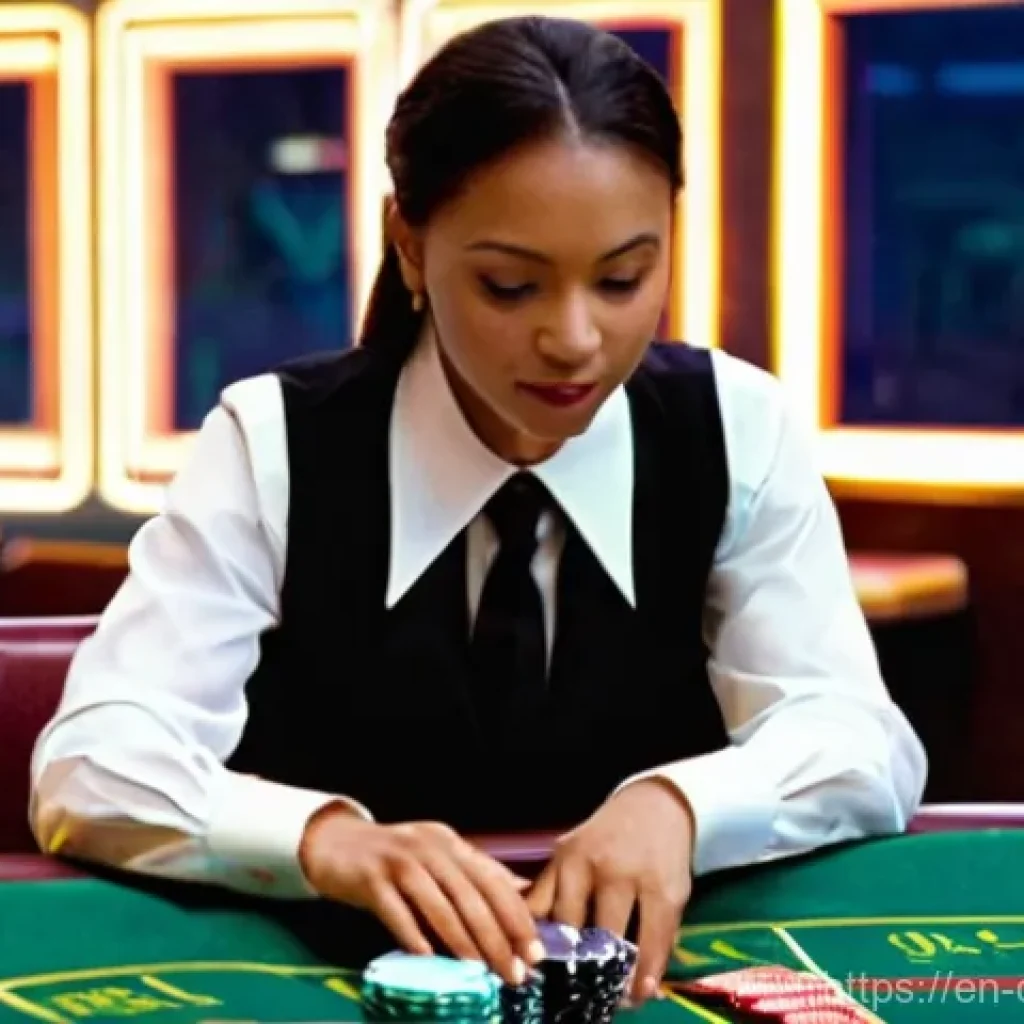
Ever walked into a bustling casino, the air thick with anticipation, the clinking of chips, and that undeniable hum of excitement? It’s a world unto itself, isn’t it?
For years, I’ve been fascinated by the magic behind those velvet ropes – not just the games, but the intricate dance of the dealers, the subtle cues, and the almost secret language they share.
You see, it’s not just about placing a bet; it’s about understanding the entire atmosphere, and a huge part of that is cracking the code of what the pros are saying.
I mean, who doesn’t love feeling like an insider? It elevates your entire experience, making you feel more connected to the game, and let’s be honest, a little bit cooler too.
If you’ve ever wondered what goes on behind the calm, collected poker faces of casino dealers, or perhaps felt a little lost amidst their rapid-fire chatter and hand signals, you’re not alone.
I remember my first few times on the casino floor, feeling like I needed a decoder ring just to keep up! But once you start picking up on their specialized vocabulary, it’s like a whole new layer of the game unfolds before you.
It transforms from just watching a game to truly understanding the flow, the strategy, and even the subtle tells. Curious about those intriguing phrases like “no more bets,” “check,” “hit me,” or what “muck” really means beyond just a pile of cards?
Knowing these terms isn’t just for aspiring dealers; it genuinely enriches your time at the tables, whether you’re playing blackjack, roulette, or poker.
It’s about more than just playing; it’s about truly engaging with the heart of the casino floor. Let’s dive in deeper below and unravel the fascinating world of casino dealer terminology, so you can walk onto that floor with confidence and a knowing smile.
Decoding the Dealer’s Lingo: More Than Just “Hit Me”
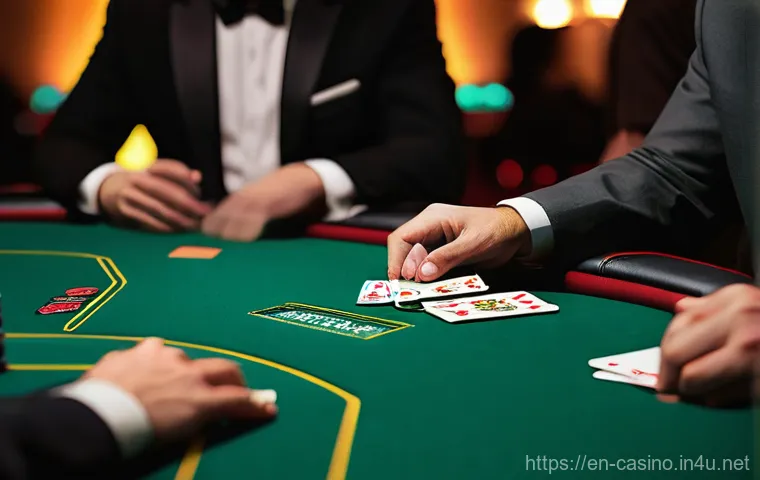
Stepping onto the casino floor for the first time, I felt like I’d walked into a movie scene, full of vibrant energy and a language all its own. Honestly, it was a bit intimidating at first, trying to figure out what was what. You hear these phrases thrown around, and unless you’re fluent in “casino-speak,” you might feel a little lost. But trust me, once you start picking up on these terms, it’s like unlocking a secret level of understanding. It’s not just about knowing what to say when it’s your turn; it’s about grasping the rhythm of the game, anticipating the next move, and truly feeling like you belong. I remember one time at a busy blackjack table, the dealer called out “No more bets!” with such swiftness that a newbie next to me almost lost his chance to play that hand. It really drove home how crucial it is to be in tune with the dealer’s signals, not just for the sake of playing but for truly immersing yourself in the experience. It makes you feel less like a bystander and more like an active participant, and that, my friends, is where the real fun begins.
The Universal Language of the Green Felt
Every casino, whether it’s in Vegas, Macau, or London, operates on a surprisingly consistent set of verbal cues and hand signals. It’s like a global shorthand that keeps everything running smoothly. You’ll quickly notice terms like “shuffle up” which signals the end of a shoe and the beginning of a fresh one, or “cards in” which is the call for dealers to collect the used cards. These aren’t just arbitrary phrases; they’re integral to the operation, ensuring fairness and efficiency. Learning them gives you an edge, not in cheating the system, but in understanding its pulse. I’ve found that simply knowing what the dealer means when they tap the table, or make a specific hand gesture, dramatically reduces any anxiety I might have had about making a mistake. It transforms a potentially confusing environment into one where you feel comfortable and confident, which frankly, makes the whole experience much more enjoyable and less stressful. It’s all about getting comfortable in their world.
Beyond Basic Bets: Understanding Dealer Instructions
We all know “hit me” and “stand,” right? But the dealer’s vocabulary extends far beyond those basics. They’re constantly communicating, not just to players but to other staff, to the cameras above, and even to themselves sometimes, managing the intricate dance of the game. For instance, in roulette, “no more bets” is a classic, but understanding why it’s called at that precise moment, usually when the ball is about to drop into a number, gives you insight into the game’s flow. Or consider poker, where terms like “check,” “bet,” “raise,” and “fold” are player actions, but the dealer’s calls confirm them and push the game forward. When a dealer announces “pot is right” or “player is all in,” they’re not just repeating what’s happened; they’re often signaling to the pit boss or security that a significant event has occurred. It’s truly fascinating to observe how these seemingly simple phrases are part of a larger, highly choreographed system designed to maintain order and integrity. It helps you appreciate the skill and professionalism involved in keeping a fast-paced game fair and exciting.
Mastering the Game Flow: Signals and Calls You Need to Know
Ever sat at a table and felt like the game was moving at warp speed, leaving you feeling a little behind? I certainly have! It used to be frustrating trying to keep up, but over time, I’ve realized that the dealers are actually giving you all the cues you need to stay in sync. Their hand movements, their tone, and even their rhythm are all part of a sophisticated communication system designed to make the game transparent and efficient. It’s like they’re conducting an orchestra, and once you learn to read their conductor’s baton, you’ll find yourself flowing effortlessly with the game. This isn’t just about winning, although feeling confident certainly helps; it’s about truly appreciating the art of the game and the skill of the professionals running it. I recall a time when I was playing craps, and the dealer’s rapid-fire calls seemed like gibberish. But after a few visits, I started recognizing patterns and understanding that each call was a vital piece of information, guiding me through the bets and outcomes. It turned a chaotic experience into an exhilarating one!
Keeping the Game Moving: Essential Dealer Phrases
Dealers are masters of efficiency, and their verbal cues are crafted to maintain a seamless, energetic pace. Take, for example, the frequent call of “new shoe” in blackjack. This isn’t just a casual announcement; it signifies that a fresh deck of cards has been introduced, resetting the count for card counters and signifying a new beginning for everyone. Or, in poker, when a dealer announces “pot is right,” it’s a critical confirmation that all bets are accounted for, and the pot accurately reflects the wagers made. These calls are more than just formalities; they are checkpoints in the game’s progress, ensuring integrity and clarity. I’ve personally seen how a dealer’s clear and consistent communication can defuse potential disputes and keep the energy positive. It’s a testament to their training and dedication that they can manage multiple players, bets, and personalities while keeping the game flowing like a well-oiled machine. It really makes a difference to the atmosphere at the table, encouraging players to stay engaged and enjoy themselves.
The Art of the Shuffle and the Cut: More Than Meets the Eye
While not strictly “terminology,” the rituals surrounding the shuffle and cut are rife with unspoken communication. When a dealer performs an elaborate shuffle, it’s not just for show; it’s a demonstration of integrity, ensuring the cards are thoroughly mixed. Then comes the “cut,” often performed by a player or using a mechanical device, which is another layer of assurance against any potential manipulation. Dealers might make calls like “cut for high card” during a seating arrangement, or verbally confirm “cards are cut” before dealing. These seemingly minor actions are imbued with meaning, reinforcing fairness and building trust. I remember feeling a bit skeptical about the whole process until I started understanding the layers of checks and balances in place. It’s a silent dialogue between the house, the dealer, and the players, all aimed at fostering an environment of honest play. Observing these rituals with a knowing eye really enhances your appreciation for the complexity and professionalism of the casino environment, making you feel more secure in your game.
When the Cards Talk: Essential Poker and Blackjack Terms
For those of us who love card games, especially poker and blackjack, understanding the specific jargon isn’t just helpful – it’s absolutely essential. It’s the difference between fumbling through a hand and confidently making your moves. I remember my early days at the poker table, hearing terms like “the flop” or “the river” and just nodding along, pretending I knew exactly what was happening. Now, having spent countless hours observing and playing, I realize how much those terms define the very structure of the game. It’s about more than just remembering a word; it’s about understanding the strategic implications behind each one. Knowing when a dealer announces “burner” and then places a card face down before dealing community cards lets you know that a safeguard against cheating has just been enacted. These subtle details, once you grasp them, really elevate your play from just participation to genuine engagement and strategic thinking, making the game far more stimulating and enjoyable.
Blackjack Buzzwords: Getting a Leg Up
Blackjack, with its swift pace and seemingly simple objective, actually has a rich vocabulary that dealers use to manage the game and interact with players. Beyond “hit” and “stand,” you’ll hear “push,” which means a tie between you and the dealer, resulting in neither a win nor a loss. Then there’s “split,” when you have two cards of the same value and choose to play them as two separate hands, or “double down,” where you double your initial bet in exchange for one more card. Dealers will often clearly state these options, confirming your decisions with calls like “player doubles” or “splitting aces.” They might also say “insurance open” if the dealer’s upcard is an Ace, offering players a side bet against the dealer having blackjack. I personally find that knowing these terms helps me make quicker decisions and feel more in control, which is huge in a game where every second counts. It’s like having a little secret language that makes the whole game click into place, improving both your confidence and your chances.
Poker Patter: From “Flop” to “River”
Poker is perhaps the king of specialized terminology, with each phase of the game having its own distinct set of terms. The “flop,” for example, refers to the first three community cards dealt face up, pivotal moments where players start to form their hands. Then comes “the turn,” the fourth community card, followed by “the river,” the fifth and final community card. Dealers announce these stages, often with calls like “dealing the flop” or “river card is out.” You’ll also hear “check,” meaning to pass the action without betting, and “raise,” to increase the current bet. A “muck” is the pile of discarded cards, and understanding that phrase can help you avoid accidentally exposing your hand. I vividly remember the relief I felt when I finally understood what “under the gun” meant – being the first to act after the big blind, a position with significant strategic implications. These terms aren’t just names; they’re markers of strategic opportunities and challenges, and truly knowing them can be the difference between a timid player and a formidable opponent. It’s a language that speaks volumes about the strategic depth of the game.
Beyond the Bets: Understanding Dealer Etiquette and Player Communication
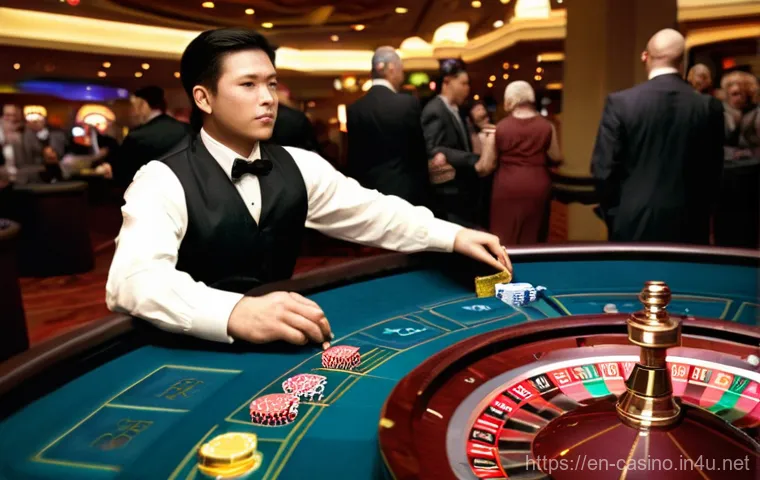
It’s easy to focus solely on the cards and the chips, but a huge part of the casino experience, and indeed, the dealer’s job, revolves around interaction and communication. This isn’t just about making sure you understand the game rules; it’s about creating an atmosphere, managing expectations, and sometimes, even providing a bit of entertainment. I’ve come to appreciate the subtle dance between a seasoned dealer and their players. They’re not just glorified card dispensers; they’re the face of the game, arbiters of fairness, and often, the first line of customer service. I’ve learned that observing how dealers handle difficult players or tricky situations offers a masterclass in diplomacy. They use specific phrases and actions to maintain control without being overtly authoritarian, ensuring everyone still feels welcome. It’s a fine line they walk, and understanding their methods can really enrich your own experience and help you navigate the social dynamics of the table with greater ease and confidence, leading to a much more pleasant time at the casino.
Subtle Cues and Commands: How Dealers Run the Show
Dealers often communicate a lot without saying much at all, using a mix of subtle hand gestures, nods, and specific verbal prompts. For instance, in many games, a simple sweep of the hand across the table indicates “no more bets.” In blackjack, a player scratching the table usually signifies a “hit,” while a horizontal wave means “stand.” These non-verbal cues are universal and help speed up the game, reducing the need for constant verbal confirmation. Dealers are also trained to communicate with the “eye in the sky” – the surveillance cameras – through specific gestures. For example, when they push chips to a winner, they often fan them out and show the denominations to the camera, a process called “coloring up.” These aren’t just for security; they also serve as a constant, transparent record of every transaction. I’ve found that paying attention to these cues not only makes me feel more involved but also helps me appreciate the intricate ballet of a professional casino operation. It’s a reminder that there’s always more going on than meets the casual eye.
Player-Dealer Dynamics: Making Your Experience Smoother
Establishing good communication with your dealer can genuinely improve your entire casino visit. While they’re professionals doing a job, a friendly interaction can go a long way. Terms like “thank you, dealer” or simply acknowledging their calls can foster a more positive atmosphere. Dealers also use specific language when addressing players, often clarifying actions. For example, they might ask, “Are you sure you want to split those tens?” if a player makes a questionable move, giving you a chance to reconsider. They’re there to facilitate, not just to deal cards. Understanding that they often use phrases like “checks play” or “cash play” to differentiate between chip transactions and direct cash wagers helps you understand the operational side of things. I’ve noticed that when players are polite and understand the basic flow, dealers are generally more relaxed and the game feels more enjoyable for everyone involved. It’s a two-way street; respect and understanding from both sides create a smoother, more engaging, and ultimately, a more memorable gaming experience.
The Pit Boss’s Perspective: Behind-the-Scenes Talk
Have you ever wondered what goes on behind the scenes, beyond the immediate game in front of you? It’s truly fascinating how dealers communicate with their supervisors, known as pit bosses or floor supervisors. This isn’t just casual chatter; it’s a constant flow of specialized information that ensures the integrity of the games, monitors player behavior, and manages the overall efficiency of the casino floor. When you hear a dealer subtly call out “fills” or “credits,” they’re not just talking to themselves; they’re often signaling to the pit boss that they need more chips at their table, or that a player is cashing out a significant amount. It’s like a secret language that helps the entire operation hum along smoothly, unnoticed by most players. I once overheard a dealer reporting a “whale” at their table, and it wasn’t until later I learned they were referring to a high-roller! This kind of insider knowledge really peels back the curtain on the sophisticated world of casino management, showing just how much attention to detail goes into every single game and interaction.
The Eyes in the Sky and the Ears on the Floor: Dealer-Management Jargon
The communication between dealers and management is crucial for maintaining security and tracking large transactions. Dealers use specific terms to alert floor supervisors to important events. For example, if a player makes an unusually large bet, a dealer might subtly signal the pit boss, or announce something like “player bought in for a color” to indicate a significant chip purchase. When a player requests to cash out a large sum, the dealer might call out “pay and take” or “marker,” indicating a large payout or the clearing of a credit line. These terms aren’t just for internal use; they’re often accompanied by specific hand signals that are easily picked up by the omnipresent surveillance cameras. This meticulous record-keeping is vital for both security and financial auditing. As a curious observer, I’ve found that noticing these subtle interactions and understanding their context gives me a much deeper appreciation for the professionalism and rigorous oversight that defines a well-run casino. It’s all about ensuring fairness and accountability at every single step.
Spotting the Tells: Why Dealers Notice Everything
Dealers are trained observers, not just of the game, but of the players themselves. They might use terms internally to describe player behavior or tendencies, although this is usually done subtly and discreetly. They’re looking for “tells” – not just in poker, but in a broader sense. This could be anything from consistent betting patterns, signs of emotional play, or even potential attempts at advantage play. While they won’t overtly comment on these things to players, they might communicate them to the pit boss using coded language. For instance, a dealer might subtly point out a “grinder” – a player who plays for long periods with small bets – or flag a “card counter” in blackjack if they suspect someone is gaining an unfair edge. This keen observation is part of their expertise and contributes to the overall security of the casino. My own experience has taught me that while dealers are friendly, they are always attuned to everything happening at their table, ensuring the integrity of the game is never compromised. It’s a subtle yet powerful aspect of their role that most players never even realize.
| Term | Meaning | Common Game(s) |
|---|---|---|
| Shuffle Up | Indicates the current “shoe” (cards) is finished and a new shuffle is beginning. | Blackjack, Baccarat |
| No More Bets | Players are no longer permitted to place wagers for the current round. | Roulette, Craps, Baccarat |
| Burner | A card dealt face down and discarded before dealing community cards or player hands, for security. | Poker, Blackjack |
| Flop | The first three community cards dealt face up in Texas Hold’em. | Poker (Texas Hold’em) |
| Push | A tie between the player and the dealer; no one wins or loses. | Blackjack |
| Colour Up | Exchanging smaller denomination chips for larger ones. | All Table Games |
| Muck | To discard one’s hand, often face down, signaling a fold in poker. Also, the pile of discarded cards. | Poker |
| Fill | A request from the dealer to the pit boss for more chips to replenish the table’s supply. | All Table Games |
Wrapping Things Up
Well, friends, we’ve taken quite a journey through the vibrant world of casino lingo, haven’t we? It’s truly amazing how a few simple phrases and gestures can transform your entire gaming experience. From the moment you step onto the floor to the final “color up,” understanding the dealer’s language isn’t just about playing smarter; it’s about feeling more connected, confident, and truly immersed in the thrilling atmosphere. I hope this deep dive has given you a newfound appreciation for the professionalism of casino staff and empowered you to approach any table with a little more swagger. It’s all about making your time at the casino as enjoyable and seamless as possible.
Useful Info to Keep in Your Back Pocket
Here are a few nuggets of wisdom I’ve picked up over the years that might just make your next casino visit even better:
1. Don’t be afraid to ask! If you’re genuinely unsure about a term or a hand signal, a good dealer will usually be happy to clarify. It’s better to ask than to make a mistake.
2. Observe before you play. Spend a few minutes watching a game before you sit down. You’ll pick up on the rhythm, the dealer’s specific calls, and the common player actions, which really helps build your confidence.
3. Tip your dealer. A small token of appreciation goes a long way. It fosters a friendly atmosphere and acknowledges their hard work in keeping the game fair and fun.
4. Pay attention to the “eye in the sky.” Remember, everything is being recorded. This is for everyone’s protection, ensuring fairness and integrity, so always play by the rules.
5. Learn the basic strategy for your chosen game. Knowing the terminology is great, but combining that with solid strategy makes you a much more formidable and enjoyable player at the table.
Key Takeaways to Remember
Ultimately, decoding the dealer’s lingo is about enhancing your entire casino adventure. It empowers you to participate with greater confidence, understand the flow of the game, and even appreciate the intricate ballet of a professional operation. From blackjack to poker, roulette to craps, each game has its unique language, and becoming fluent in it transforms you from a mere spectator into a truly engaged player. It’s all about making the most of every moment at the tables.
Frequently Asked Questions (FAQ) 📖
Q: uestions
A: bout Casino Dealer Terminology
Q: Why should I, as a casual player, even bother learning all this specialized casino lingo?
A: Oh, this is a question I get all the time, and it’s a great one! Honestly, for the longest time, I felt like a tourist just observing the action, rather than a true participant.
But then I started picking up on the dealer’s subtle cues and the jargon, and it truly changed the game for me. You see, when you understand what the dealers are saying, it’s like suddenly getting access to an “insider” club.
It makes you feel so much more comfortable and confident at the tables, eliminating that awkward feeling of being lost or having to constantly ask for clarification.
Beyond that, knowing the lingo really helps you understand the rhythm and flow of the game, letting you anticipate turns and make quicker decisions. It helps you avoid misunderstandings that could potentially cost you a bet, and in my experience, it even makes the dealers more engaged with you because they see you’re “in the know.” It’s like a secret handshake that instantly elevates your entire casino experience from just playing to truly engaging with the magic of the floor.
Q: What are some of the absolute must-know terms that I’ll definitely hear from a dealer at a typical casino?
A: You’re hitting on the core of it now! There are definitely a handful of terms that, once you know them, will make you feel like a seasoned pro. Here are a few I hear constantly and that are super helpful:”No More Bets!” or “Place Your Bets, Please.” You’ll hear this one a lot, especially in games like roulette or craps.
It’s the dealer’s signal, often accompanied by a sweeping hand gesture, indicating that the betting window is either open or, more importantly, closed.
Missing this cue can mean you miss a round or accidentally place a late bet, so it’s a critical one to catch. “Check” or “Check Bet.” In poker, this means you’re choosing not to bet any money at the moment, essentially passing the action to the next player, but you’re still in the hand.
It’s your way of saying, “I’m still interested, but I’m not putting in more chips right now.””Hit Me.” If you’re playing blackjack, this is the phrase you’ll use when you want the dealer to give you another card.
It’s concise, clear, and universally understood. Trust me, blurting out “another card, please!” might get you one, but “hit me” makes you feel like you belong.
“Muck.” This one is primarily for poker. When a player “mucks” their hand, it means they’re folding without showing their cards, essentially conceding the pot.
It’s like throwing your cards into the discard pile, admitting defeat, but keeping your hand a secret. I’ve seen countless new players hesitate, not knowing what to do with a losing hand, and this is the simple answer.
“Double Down.” In blackjack, this is a fantastic strategic move where you double your initial bet and receive just one more card. Dealers will often ask if you want to “double down” if your hand looks strong against theirs.
It’s a bold move, but knowing the term allows you to seize the moment! “Color Up.” This isn’t something you’ll often say as a player, but you’ll hear dealers offering it.
It’s when you exchange your smaller denomination chips (say, a stack of twenty $5 chips) for a fewer number of higher-value chips (like one $100 chip).
It’s super handy when you’re leaving a table or if you’ve had a good run and want to consolidate your winnings!
Q: Beyond just understanding the words, how does knowing these terms genuinely enhance my overall casino experience and perhaps even my performance?
A: That’s where the magic really happens, in my opinion! It’s not just about avoiding confusion; it’s about transforming your entire outing. For me, knowing the dealer’s vocabulary instantly boosted my confidence.
I remember walking up to tables and, instead of feeling like an outsider, I felt like I was part of the action. That confidence, in itself, can help you relax, focus, and even make better decisions.
Practically speaking, it dramatically improves your ability to follow the game. You’ll understand announcements instantly, react quicker, and never miss a betting opportunity.
Imagine playing blackjack and instinctively saying “hit me” or “stand” without a moment’s hesitation – it feels powerful and lets you keep your focus squarely on your strategy.
Moreover, it improves your interactions, not just with the dealer, but with other players at the table. You become part of the shared language of the game.
I’ve noticed that when I use the correct terminology, dealers often become more relaxed and friendly, sometimes even offering subtle nudges or advice, which is invaluable.
It’s like being a tourist who learned a few phrases in the local language – it just opens doors. This understanding empowers you, deepens your engagement, and frankly, makes the entire casino environment far more enjoyable and less intimidating.
You’re not just a player; you’re an informed participant, and that’s a feeling worth chasing!