7 Essential Problem-Solving Tips Every Casino Dealer Should Master for Smooth Gameplay

webmaster

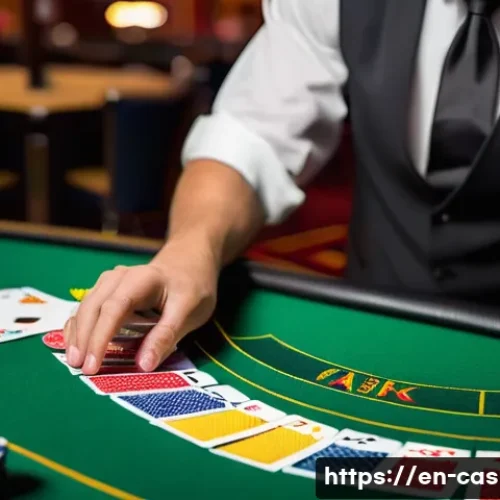
카지노 딜러에게 필요한 문제 해결 능력 - A professional casino dealer calmly resolving a player dispute at a poker table in a luxurious Las V...

Working as a casino dealer is far more than just dealing cards or spinning the roulette wheel; it demands sharp problem-solving skills to handle unexpected situations swiftly and fairly.

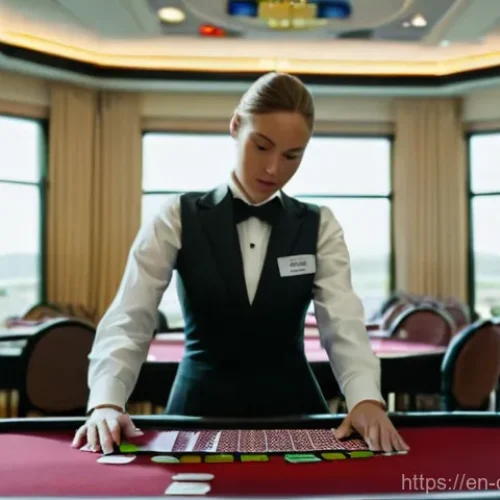
카지노 딜러에게 필요한 문제 해결 능력 관련 이미지 1

Whether it’s resolving disputes between players or managing technical glitches, dealers must think on their feet to keep the game flowing smoothly. These challenges require not only quick thinking but also a calm demeanor and strong communication abilities.

Having honed these skills through experience, dealers can maintain a fair and enjoyable atmosphere for everyone involved. Let’s dive deeper into why problem-solving is a crucial skill in the world of casino dealing and how it makes all the difference.

We’ll explore it thoroughly below!

Mastering Conflict Resolution at the Table

Identifying the Root Cause Quickly

When a dispute arises, whether it’s about a misread card or a bet placement, the dealer’s first job is to pinpoint what exactly caused the confusion. From my experience, the quicker you can isolate the issue, the easier it becomes to resolve it before it escalates.

Sometimes, it’s as simple as clarifying a rule that one player misunderstood or correcting a chip count error. Other times, it requires a more delicate approach when emotions run high.

Staying calm and observant helps you catch subtle details that might otherwise be overlooked, like a player’s body language or an inconsistency in the dealer’s own handling of the game.

Communicating with Diplomacy and Authority

Once the problem is clear, explaining the resolution in a way that feels fair to all parties involved is key. I’ve noticed that players respond much better when the dealer uses a polite but firm tone, avoiding any hint of favoritism.

It’s about striking a balance between friendliness and professionalism. When I handle disputes, I always make a point to acknowledge everyone’s perspective, which helps defuse tension.

Sometimes a quick reassurance that the rules are being followed precisely can restore confidence in the game. This skill takes practice, especially in noisy, high-pressure environments where players might already be frustrated.

Knowing When to Involve Supervisors

Even the most experienced dealer can encounter situations that require a pit boss or floor manager’s intervention. Recognizing when a conflict is beyond your authority is a crucial part of problem-solving.

From what I’ve seen, trying to handle every dispute alone can backfire, so knowing your limits is just as important as being quick on your feet. Calling in a supervisor should never feel like a failure but rather a smart move to maintain fairness and keep the game flowing smoothly.

It’s also a good way to show players that their concerns are taken seriously.

Advertisement

Adapting to Unexpected Technical Issues

Staying Calm When Technology Fails

Casino games today rely heavily on electronic systems, and glitches can happen at the worst moments. I’ve had rounds where the card shuffler jammed or the electronic betting system froze mid-game.

The key here is not to panic but to keep the players informed and engaged while the issue is being fixed. A calm demeanor reassures everyone that the situation is under control.

In my experience, players appreciate honesty and a quick explanation more than silence or confusion.

Implementing Backup Procedures Efficiently

Most casinos have protocols for technical failures, such as switching to manual dealing or temporarily pausing the game. Knowing these procedures inside out is essential.

I once had to switch from an electronic blackjack table to manual dealing mid-shift, and being prepared meant the transition was seamless. Practice and familiarity with backup plans allow dealers to minimize downtime and maintain the game’s pace, which players really value.

It’s also important to communicate these changes clearly so everyone knows what to expect.

Coordinating with Technical Staff Promptly

When a problem requires a technician’s help, dealers must be able to describe the issue clearly and coordinate efficiently. From personal experience, the faster and more precisely you can communicate the problem, the sooner the fix happens.

It’s not just about knowing the game but understanding enough about the technology to give useful information. This collaboration helps reduce delays and shows professionalism, which players notice and appreciate.

Advertisement

Managing Player Behavior and Emotions

Recognizing Signs of Frustration Early

Players can get tense or upset over losses, slow play, or perceived unfairness. I’ve learned that spotting early signs of frustration, like clenched fists or raised voices, allows me to intervene before a situation escalates.

Sometimes a simple, friendly comment or a light joke can ease the mood, while other times it requires a more serious tone. This emotional awareness is crucial for maintaining a positive atmosphere.

Dealing with Aggressive or Disruptive Players

Handling a player who’s being rude or aggressive is one of the toughest parts of the job. I’ve dealt with my fair share of heated moments, and what works best is staying composed and not taking anything personally.

Setting clear boundaries calmly but firmly shows that disruptive behavior won’t be tolerated. If necessary, involving the floor manager early can prevent the situation from spiraling out of control.

Encouraging Positive Player Interaction

A dealer isn’t just a game facilitator but also a social hub. I’ve found that fostering friendly interactions among players helps reduce tension and keeps the energy light.

Complimenting good plays, celebrating small wins, or sharing a laugh can go a long way in creating a welcoming environment. This positive vibe not only enhances the experience but also encourages players to return.

Advertisement

Enhancing Decision-Making Under Pressure

Balancing Speed and Accuracy

Casino dealers operate in a fast-paced environment where decisions need to be made swiftly but correctly. From my time behind the table, I’ve realized that rushing can lead to mistakes, but being too slow frustrates players.

Finding the sweet spot takes practice and confidence. It’s about trusting your training and instincts while staying mindful of the game flow.

Prioritizing Multiple Tasks Simultaneously

카지노 딜러에게 필요한 문제 해결 능력 관련 이미지 2

Dealing isn’t just about handing out cards; it involves monitoring bets, watching players, and managing chips all at once. I often find myself juggling these tasks while also keeping an eye out for potential issues.

This multitasking demands a high level of concentration and mental organization. Over time, this becomes second nature, allowing you to maintain control without breaking a sweat.

Learning from Every Shift

Every session brings new challenges and lessons. I keep a mental note of tricky situations I’ve handled and reflect on what worked well or could be improved.

This ongoing self-evaluation sharpens decision-making skills and builds confidence. The best dealers are always learning, adapting, and growing from their experiences.

Advertisement

Utilizing Observational Skills to Prevent Problems

Spotting Betting Irregularities Early

One of the most valuable skills I’ve developed is the ability to notice unusual betting patterns that might indicate cheating or confusion. This requires sharp attention to detail and a deep understanding of the game’s flow.

Catching these irregularities early helps prevent bigger problems and keeps the game fair for everyone.

Monitoring Player Interactions Closely

Players sometimes try to communicate subtly to gain an unfair advantage. By observing body language, eye contact, and gestures, a dealer can detect these attempts.

I’ve learned that staying alert and discreetly watching interactions can prevent collusion without disrupting the game’s social aspect.

Maintaining Focus Amid Distractions

Casinos are noisy, crowded, and full of distractions. Keeping focus in such an environment isn’t easy but is essential for problem prevention. I use techniques like controlled breathing and mental checkpoints to stay sharp.

This focus helps me catch potential issues before they escalate.

Advertisement

Building Trust Through Consistency and Fairness

Applying Rules Uniformly to All Players

Consistency in rule enforcement is the foundation of a dealer’s credibility. I make it a point to apply every rule equally, regardless of the player’s status or mood.

This fairness fosters trust and respect, which are crucial for a smooth game.

Being Transparent About Decisions

When a decision might not be obvious, explaining the reasoning to players helps prevent misunderstandings. I’ve found that transparency builds goodwill, even if the outcome isn’t what a player hoped for.

It shows respect and professionalism.

Creating a Positive Reputation Among Regulars

Regular players appreciate dealers who are fair, attentive, and approachable. Building this reputation takes time but pays off in smoother games and better tips.

I always strive to be the dealer players want to return to because they know I’ll handle any problem fairly and efficiently.

Situation Dealer’s Key Action Skills Utilized Impact on Game
Player dispute over bet Identify cause, explain rules calmly Conflict resolution, communication Quick resolution, maintains fairness
Technical glitch during game Inform players, switch to backup Calmness, adaptability, technical knowledge Minimized downtime, player reassurance
Frustrated player behavior Early recognition, calm intervention Emotional intelligence, diplomacy Prevents escalation, positive atmosphere
Multiple tasks at once Prioritize, multitask effectively Concentration, time management Maintains game flow, reduces errors
Suspicious betting patterns Observe closely, report if needed Attention to detail, vigilance Ensures game integrity
Advertisement

글을 마치며

Mastering conflict resolution and managing the dynamic environment at the casino table are essential skills for any dealer. Through experience, calm communication, and adaptability, dealers can maintain a fair and enjoyable game atmosphere. These techniques not only help resolve issues efficiently but also build trust and respect among players. Ultimately, a skilled dealer enhances both the flow of the game and the overall player experience.

Advertisement

알아두면 쓸모 있는 정보

1. Quick identification of conflict causes prevents escalation and keeps the game moving smoothly.

2. Clear, polite communication reassures players and helps maintain fairness.

3. Familiarity with technical backup procedures minimizes downtime during electronic failures.

4. Recognizing early signs of player frustration can prevent disruptive behavior before it starts.

5. Consistent rule enforcement and transparency foster player trust and encourage repeat visits.

Advertisement

중요 사항 정리

Effective conflict resolution at the casino table relies on prompt issue identification, calm and fair communication, and knowing when to seek supervisory support. Dealers must stay composed during technical glitches by following backup protocols and coordinating with technical staff. Monitoring player behavior closely allows early intervention to maintain a positive atmosphere. Balancing speed with accuracy and multitasking efficiently ensures smooth game flow. Above all, consistent fairness and transparency build trust, making the dealer a respected figure that players rely on for an enjoyable gaming experience.

Frequently Asked Questions (FAQ) 📖

Q: Why is problem-solving such an important skill for a casino dealer?

A: Problem-solving is essential for casino dealers because they often face unexpected situations like disputes between players, technical glitches, or rule clarifications.
Dealers need to act quickly and fairly to resolve these issues without disrupting the game flow. From my experience, being able to think on your feet helps maintain a smooth, enjoyable environment, which is crucial for keeping players happy and the casino running efficiently.

Q: How do casino dealers handle disputes between players effectively?

A: When disputes arise, successful dealers stay calm and listen carefully to all parties involved. They rely on their deep knowledge of the game rules and casino policies to make fair judgments.
In my time dealing cards, I found that clear communication and a polite, confident approach often de-escalate tension quickly. This way, the game continues without long interruptions, and players feel respected and treated fairly.

Q: What role does communication play in managing unexpected problems at the table?

A: Communication is key to managing any surprise issues at the table. Dealers must explain decisions clearly and calmly to prevent misunderstandings. For example, if a technical problem stops the game, a dealer who keeps players informed can reduce frustration.
From what I’ve seen firsthand, strong communication builds trust between dealers and players, ensuring everyone stays engaged and the casino atmosphere remains positive.

📚 References


➤ Link

– Google Search

➤ Link

– Bing Search

➤ Link

– Google Search

➤ Link

– Bing Search

➤ Link

– Google Search

➤ Link

– Bing Search

➤ Link

– Google Search

➤ Link

– Bing Search

➤ Link

– Google Search

➤ Link

– Bing Search

➤ Link

– Google Search

➤ Link

– Bing Search

➤ Link

– Google Search

➤ Link

– Bing Search
Advertisement